Title: No te’n vagis
Original title: No te’n vagis
Director: Ona Jané Millá
Producers: Isabel Delclaux, Aura Garrido
Country: Spain
Year: 2026
Running time: 19’43”
Language: Catalan
Genre & Subgenre: Fiction, Drama, Children, Family, Social, Psychological
Short synopsis:
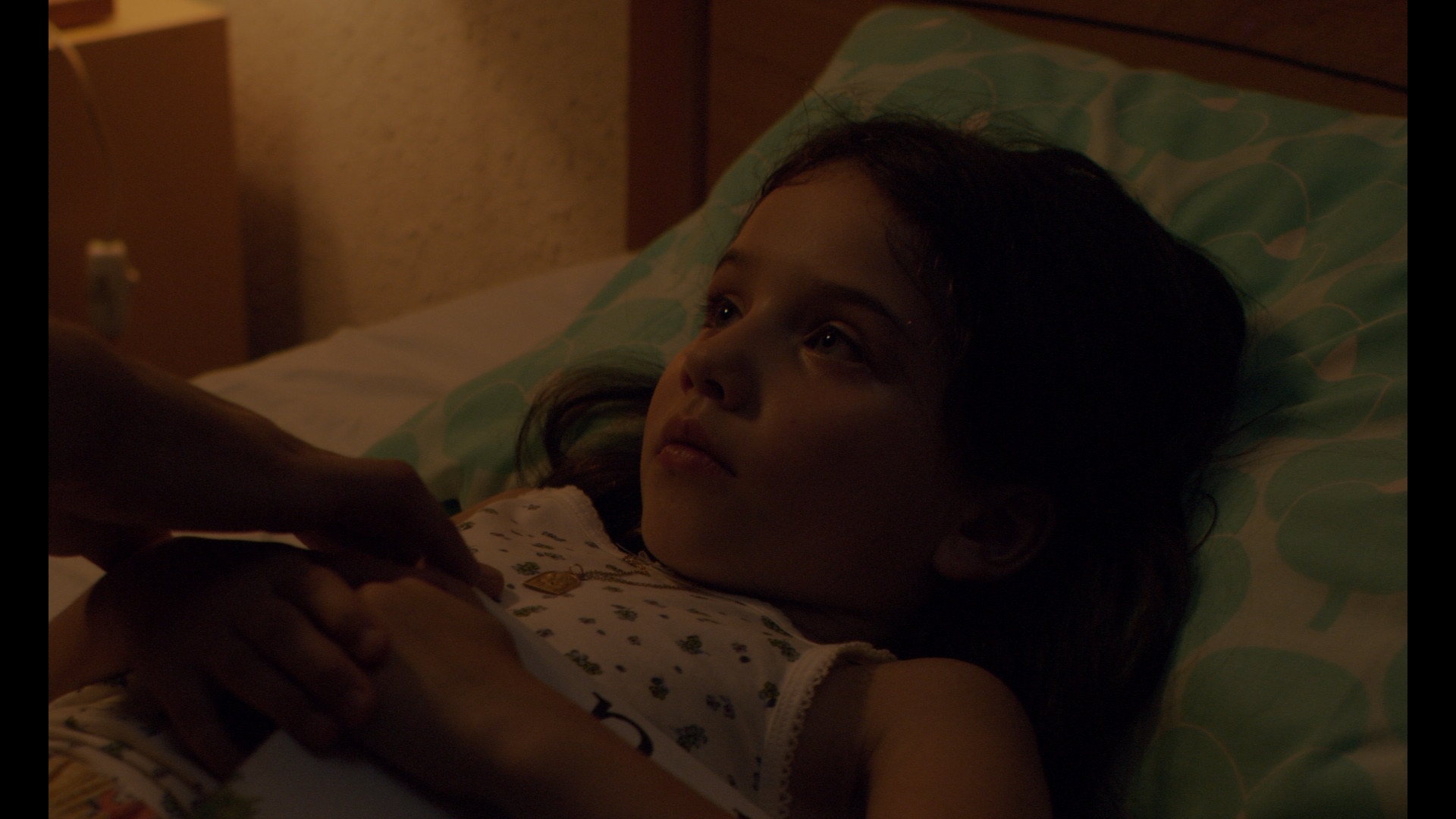
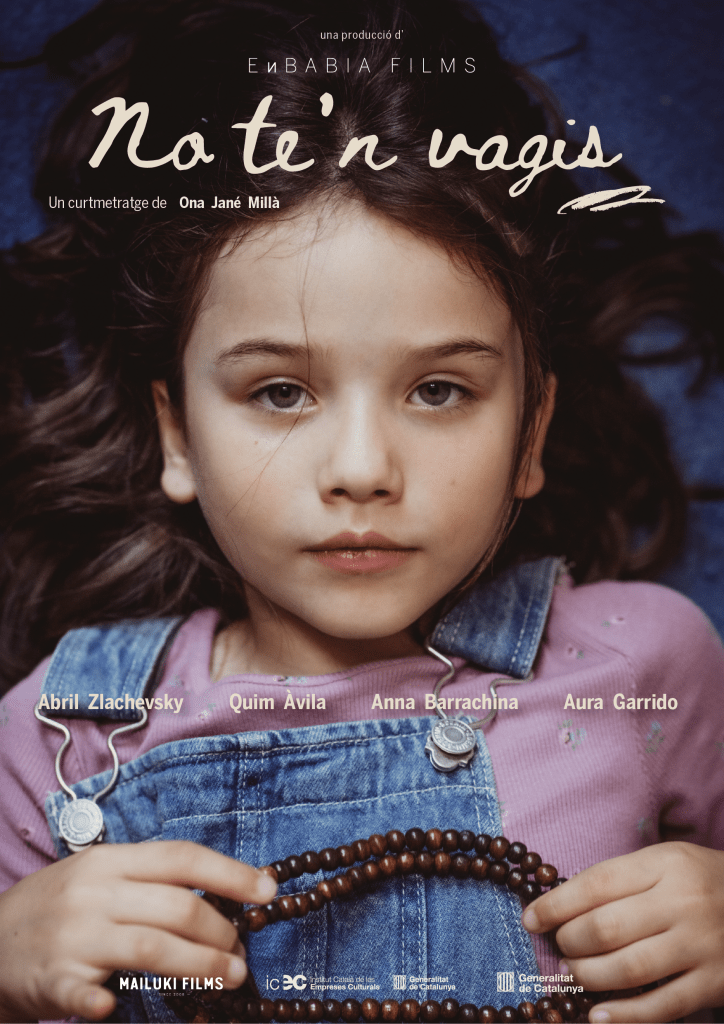
Lea is six years old. Her parents have just separated.
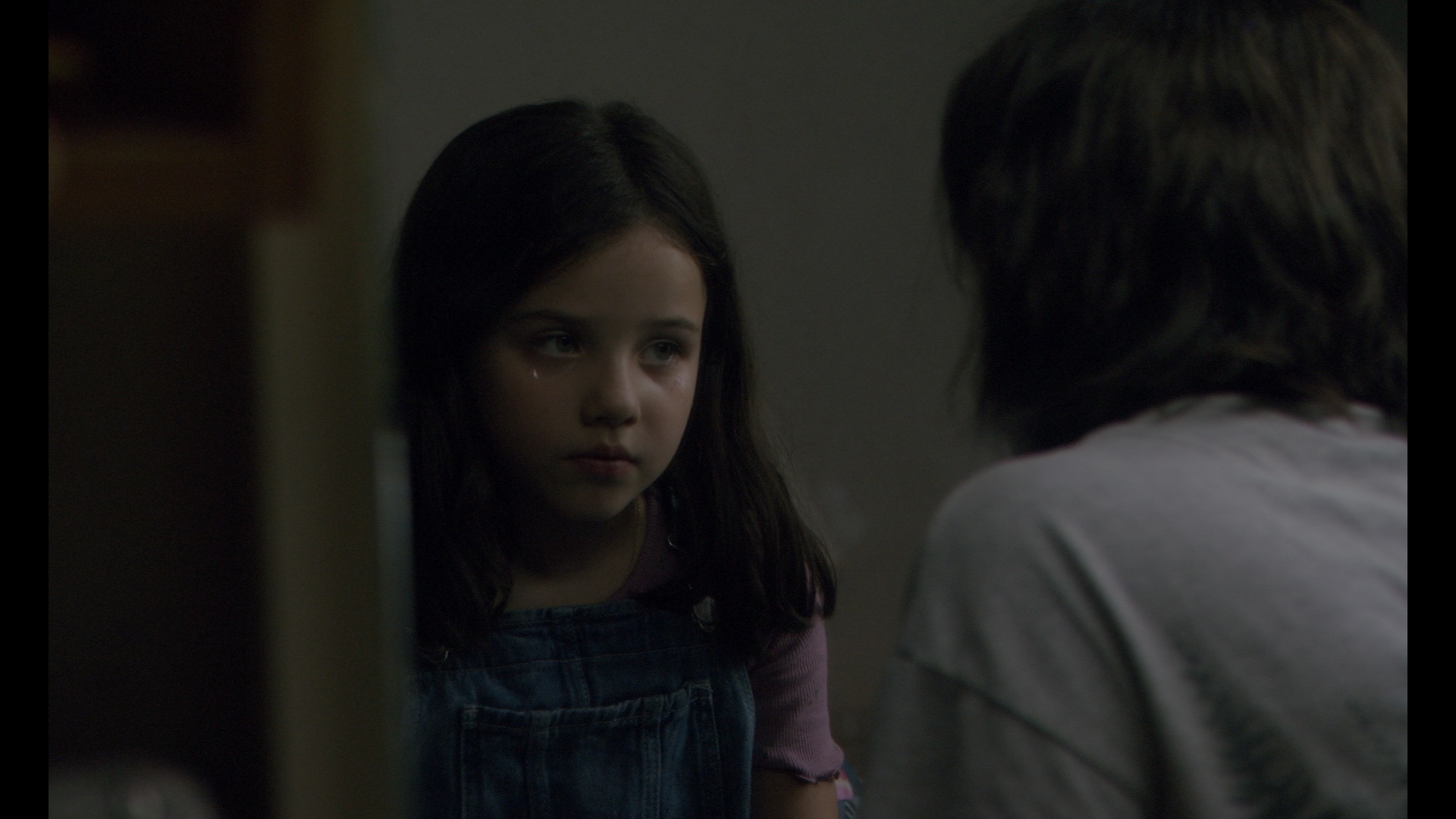
As her father struggles to balance work, parenting, and faith, Lea tries to make sense of this new God he has found—the one she believes has taken his love away from her.
Synopsis:
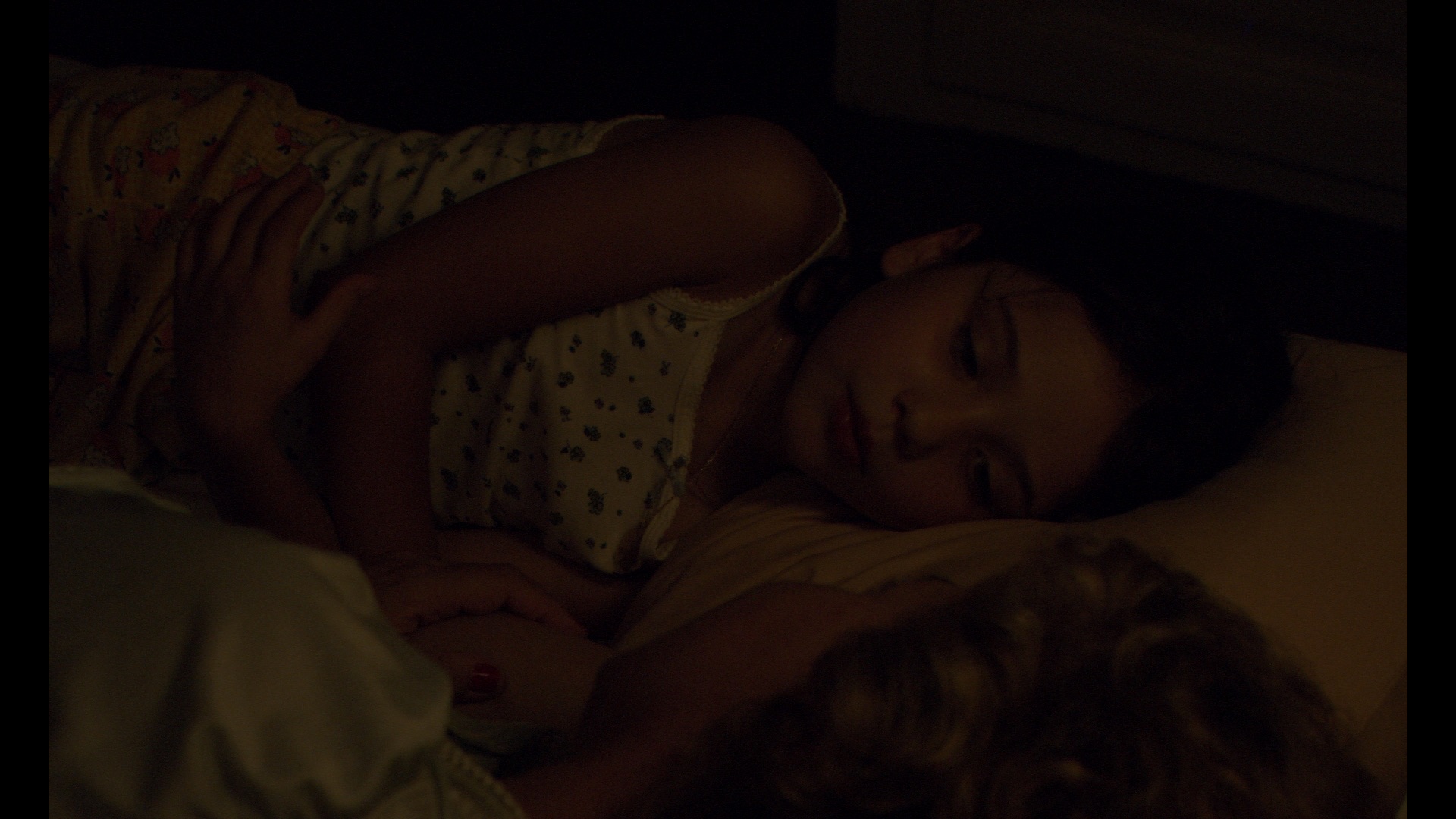
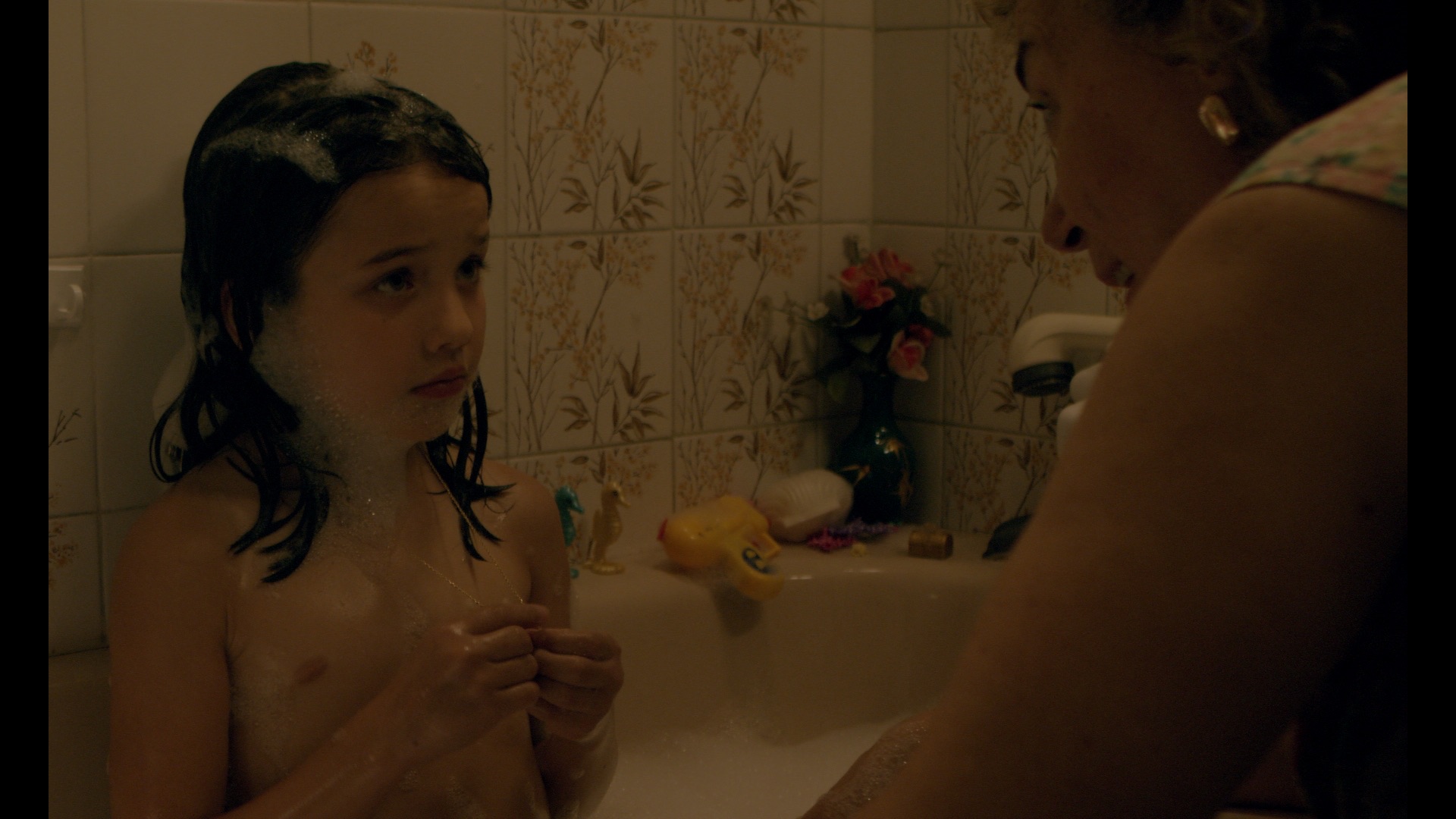
Lea is six years old, and her world is suddenly turned upside down when her parents separate. This is the first week she is alone with her father, Edu (35), who has moved back into his mother’s house.
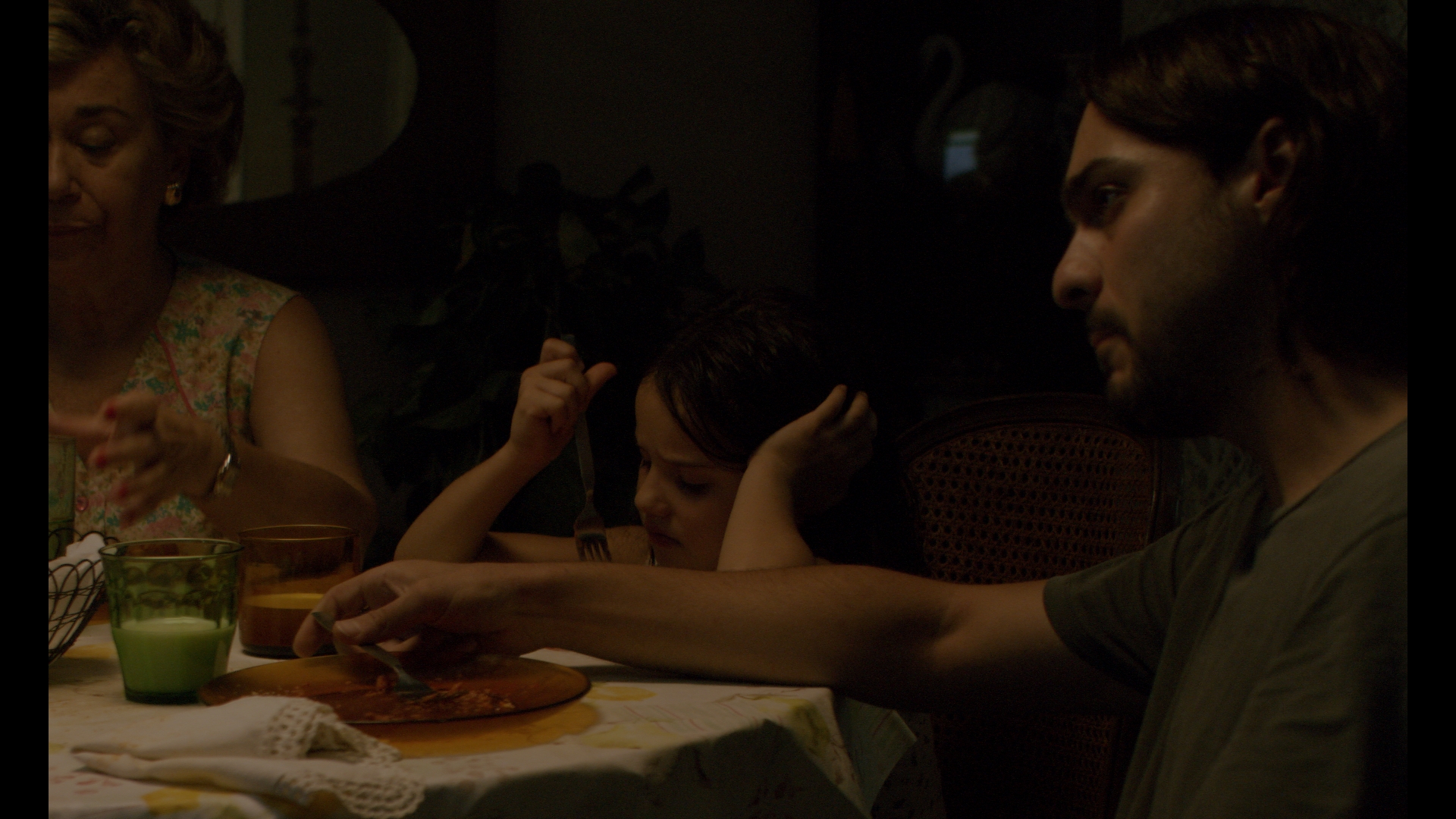
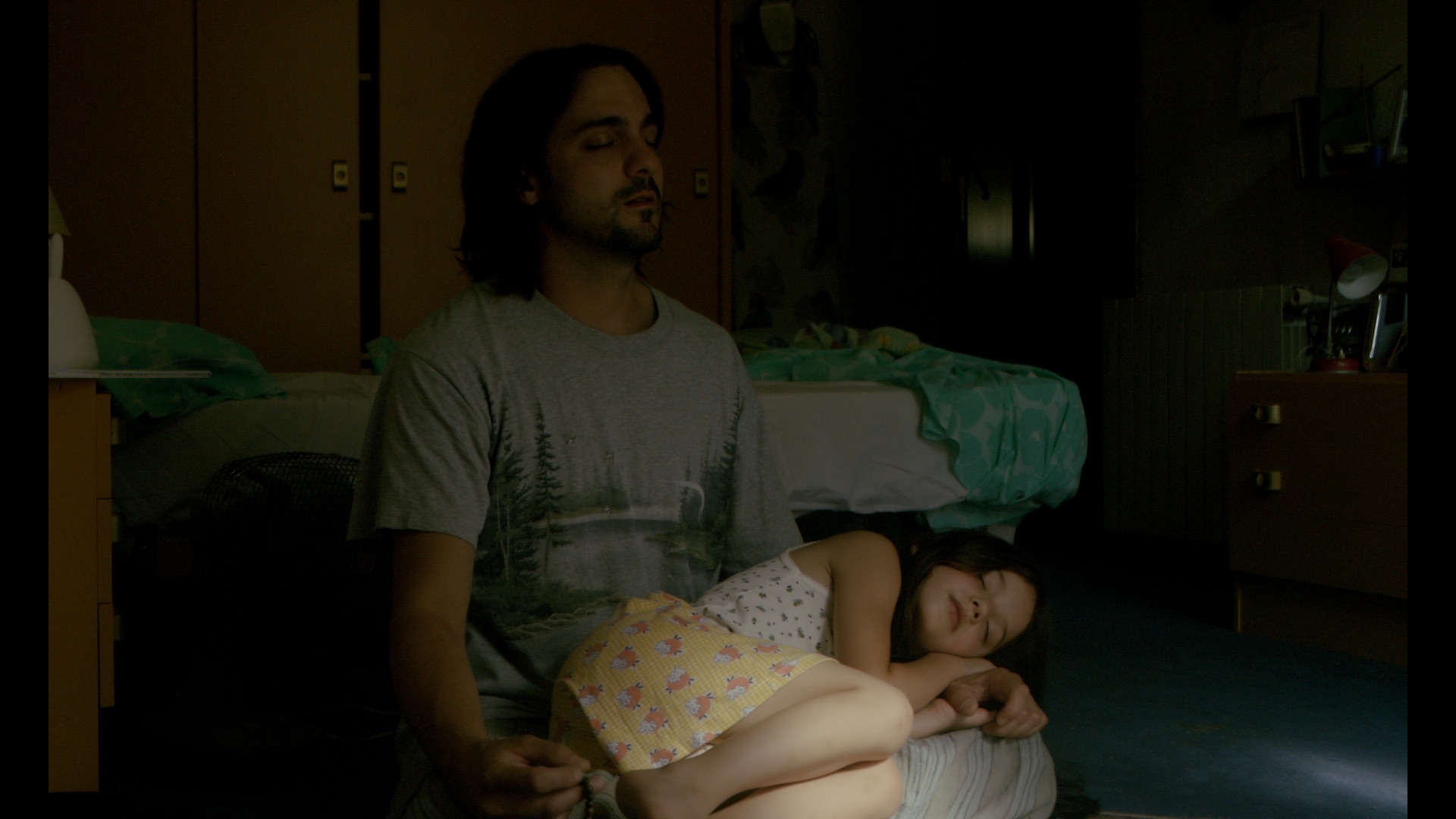
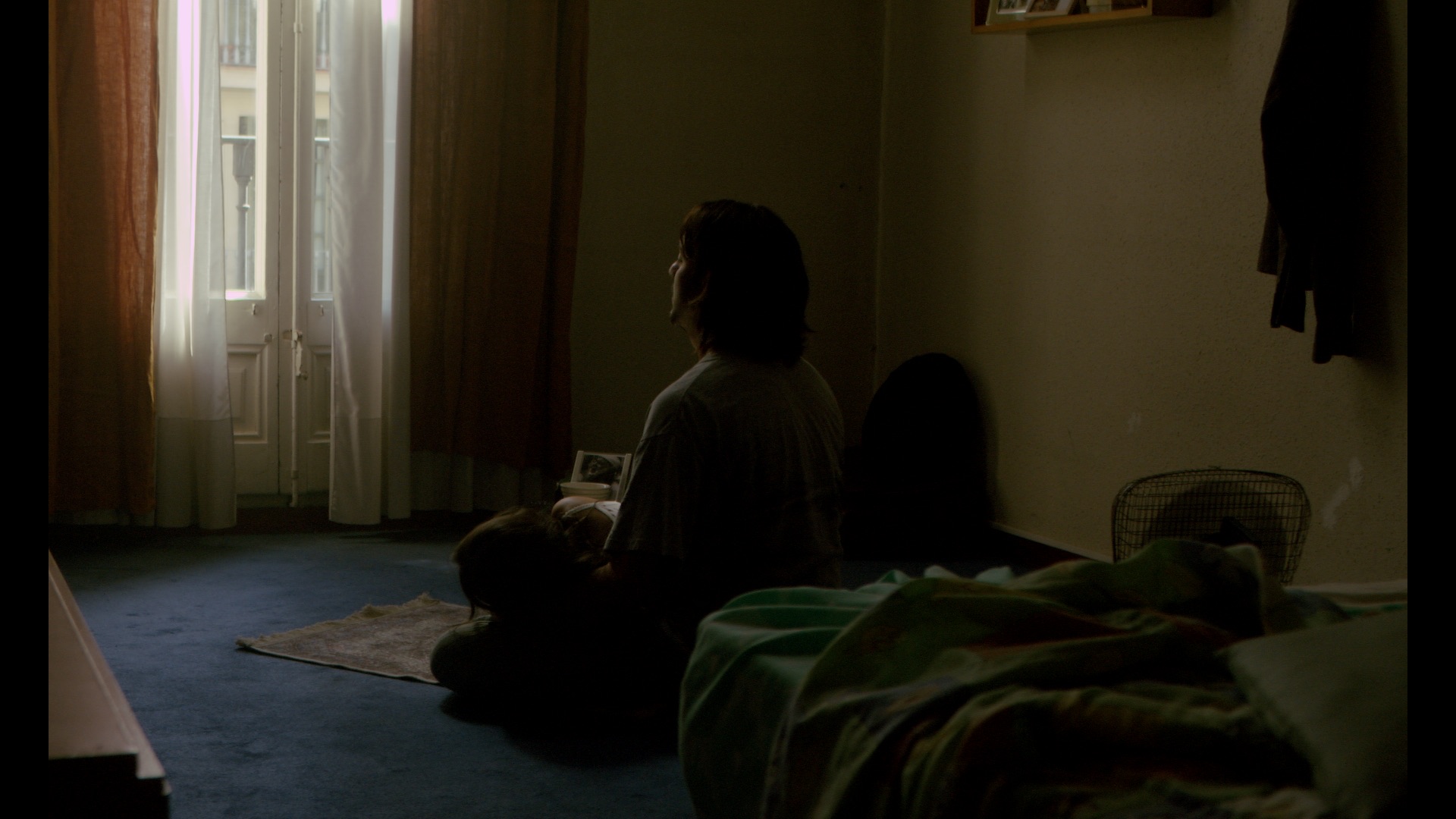
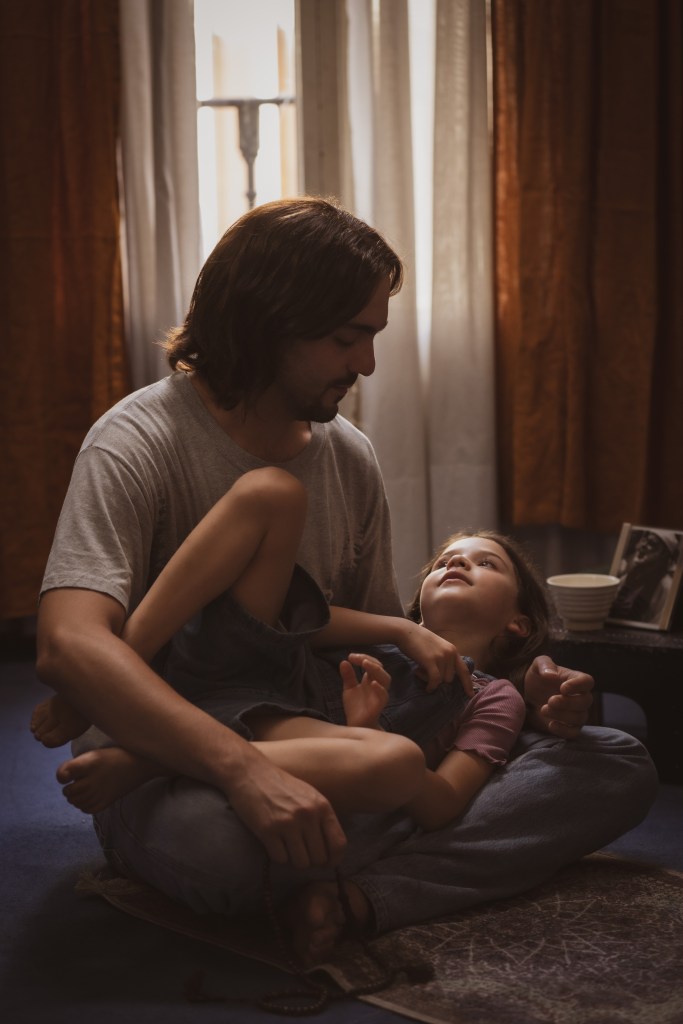
Edu has embraced a new God—one Lea does not understand, because it is neither her grandmother’s nor spoken in her language. A young man in the midst of a profound spiritual search, he has recently converted to Islam. With Lea at home and her grandmother working every morning, he tries to reconcile work, parenting, and faith.
Caught in the father’s awkward balancing act and unsettled by this new sense of familial abandonment, Lea becomes convinced that her father no longer loves her. She asks him: “Who do you love more, me or God?” He tries to explain that the comparison makes no sense, but to Lea, his answer only confirms her suspicion—that God has taken her place in his heart.
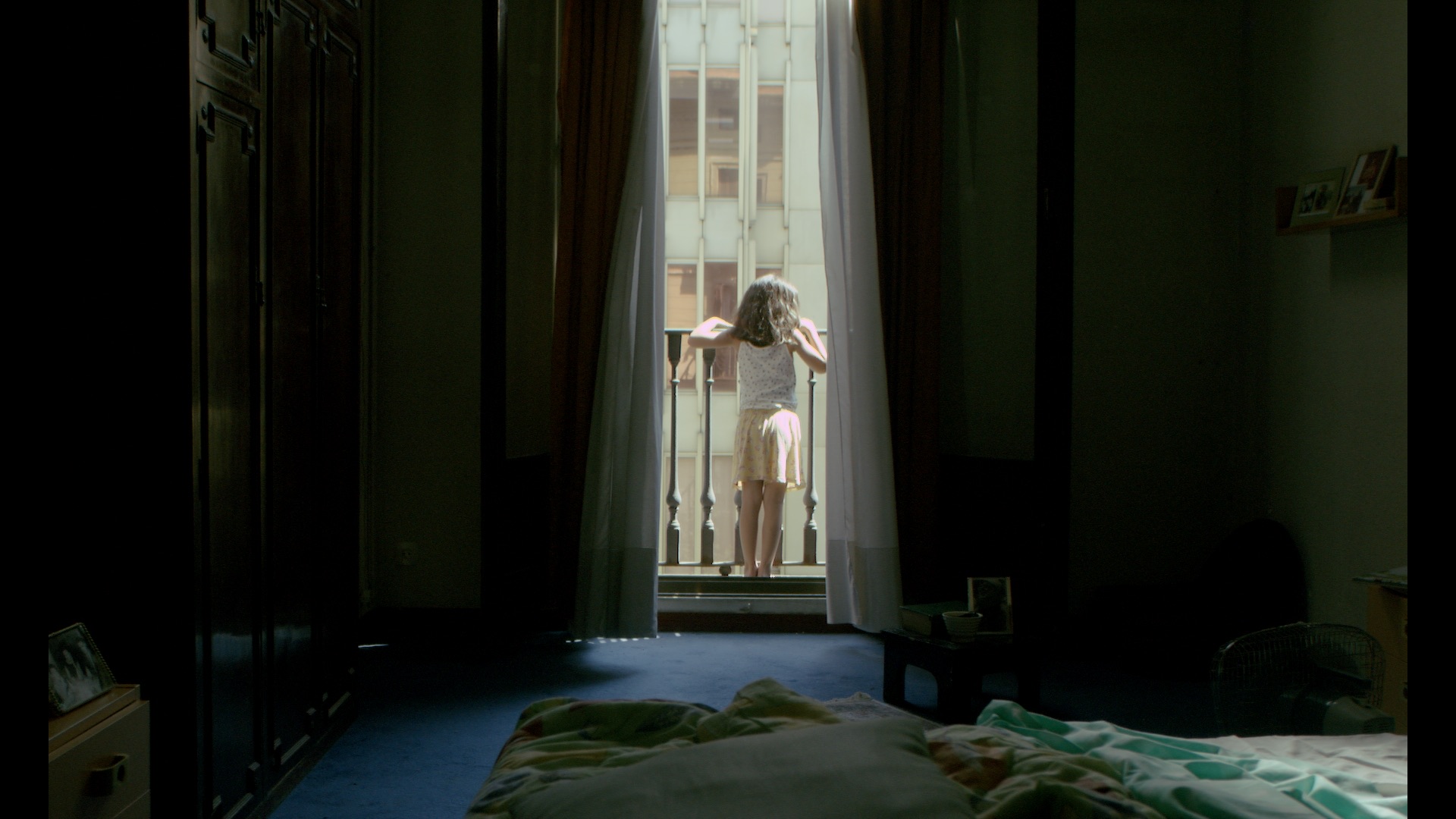
Overwhelmed, Edu fails to see how his daughter is interpreting this new reality. One day, when he leaves her alone briefly to go shopping, Lea, certain she has been abandoned, calls her mother and asks her to come and get her. Half an hour later, Edu returns with groceries, and Lea, uneasy, cannot bring herself to confess what she has done.
As she helps him put the food away in the kitchen, her mother Clara arrives at the door to pick her up. Still unaware of what is unfolding, Edu reacts with anger toward both of them, and the fragile family balance collapses.
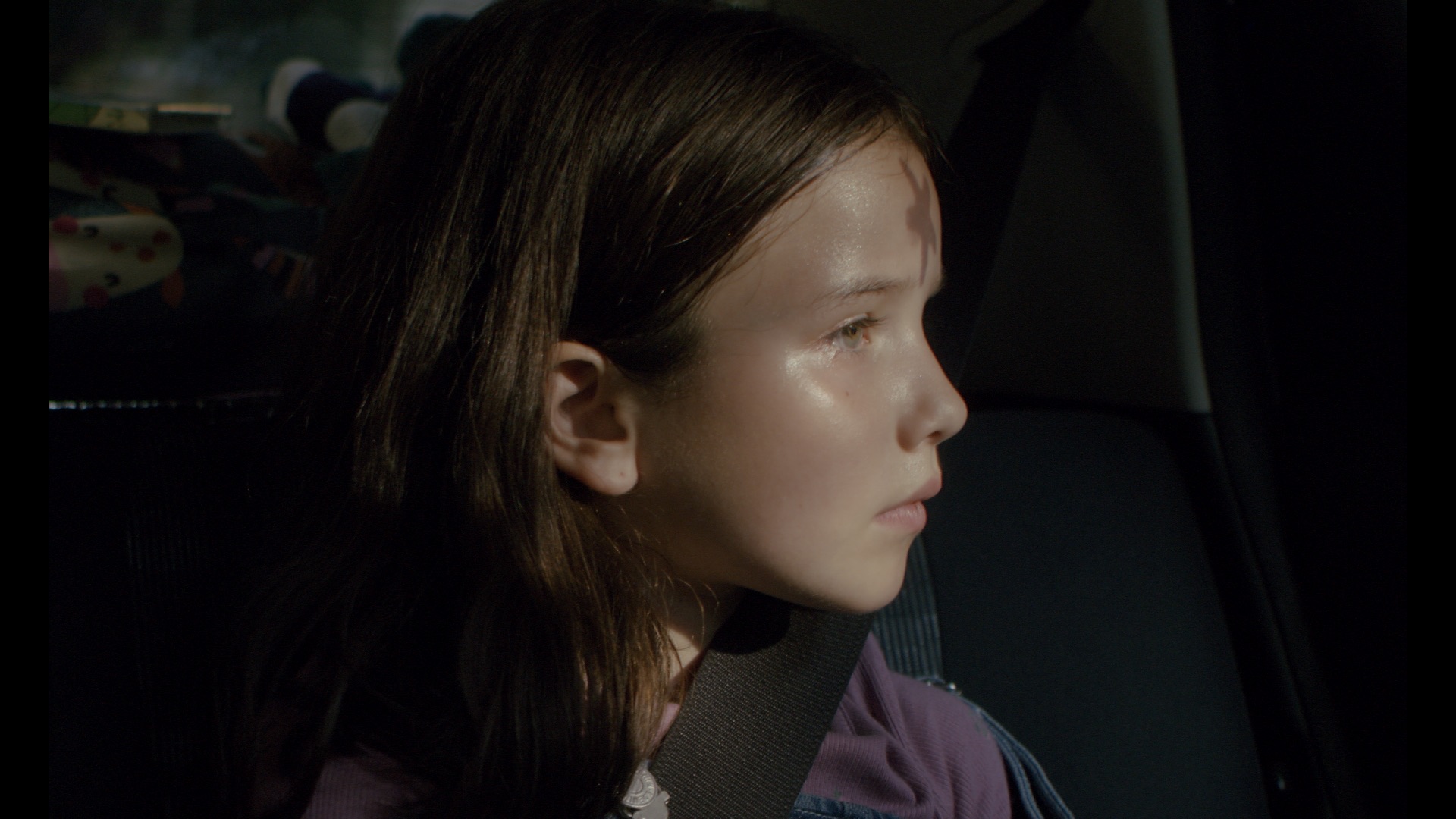
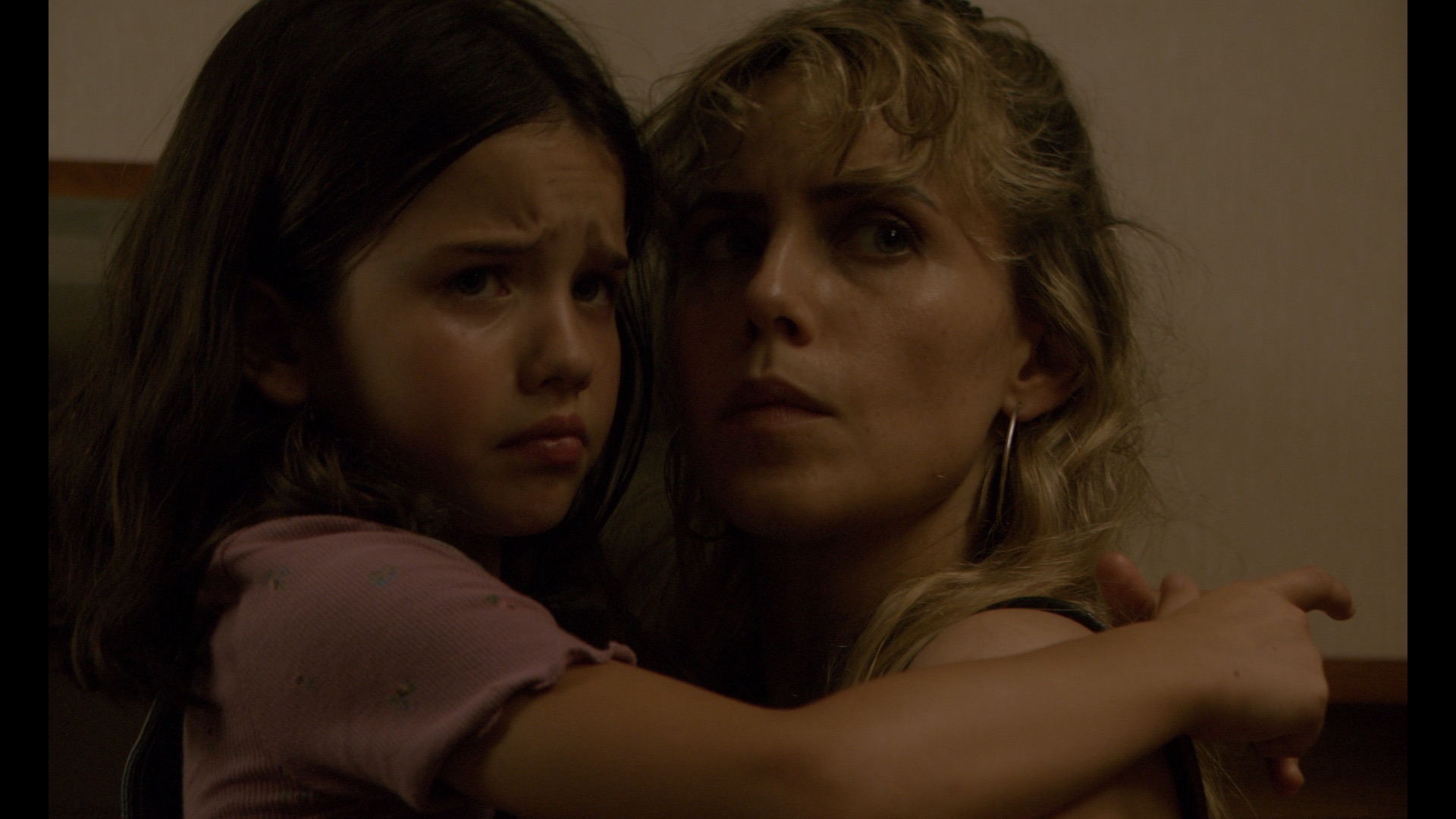
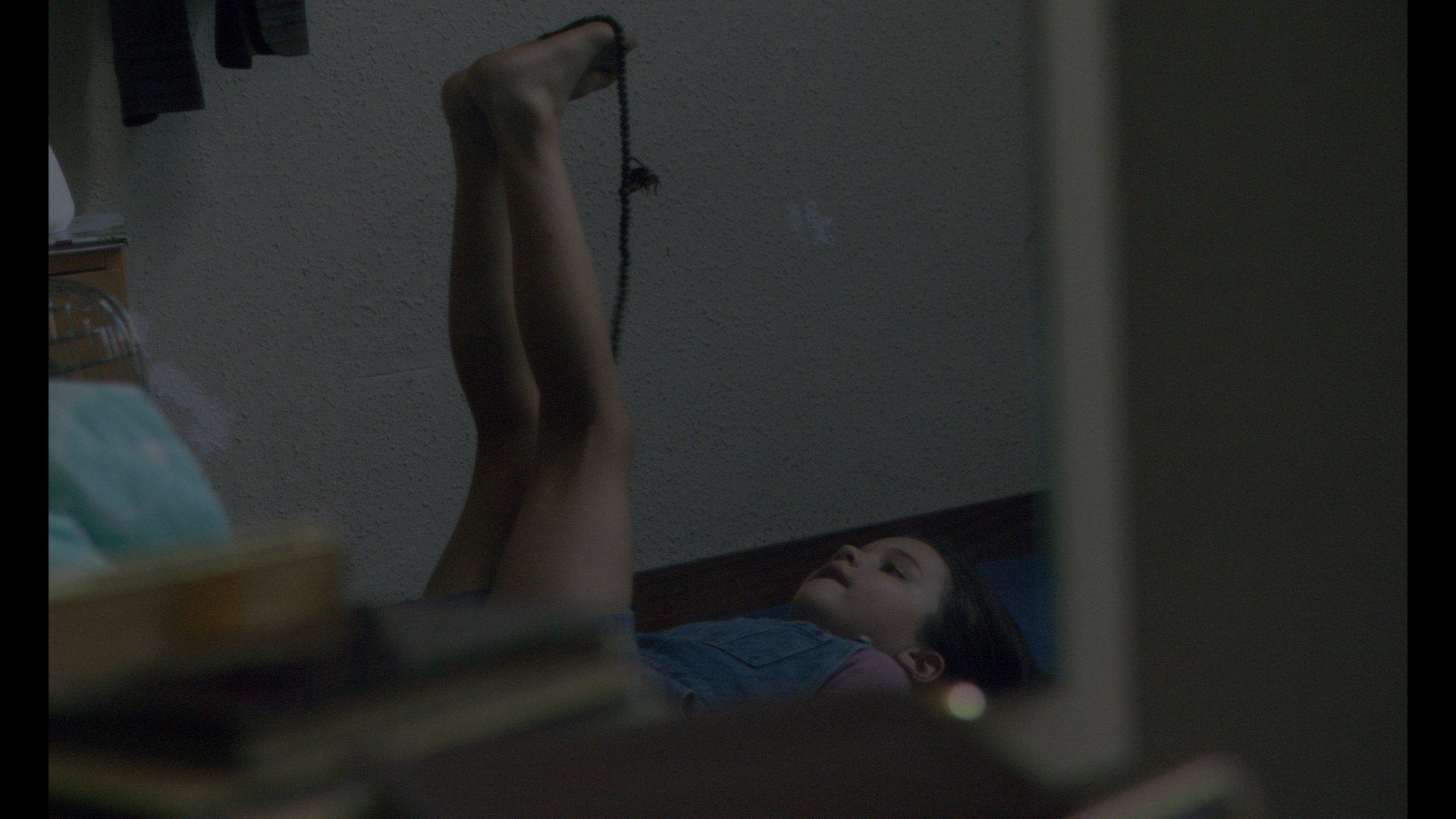
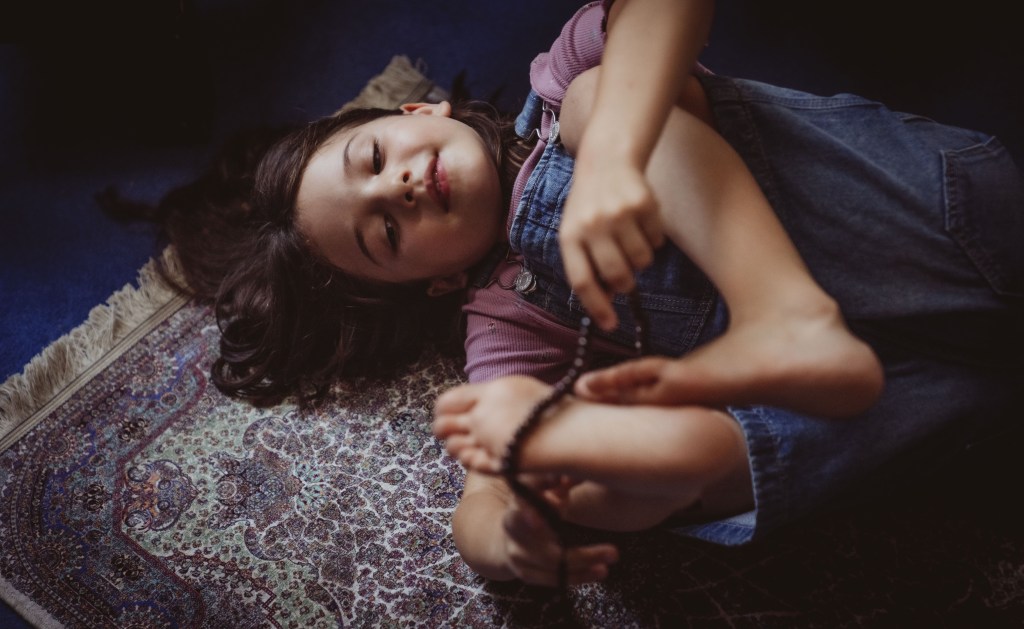
Lea sits in the back seat of the car while her parents argue at the front door. She feels responsible for the chaos she has set in motion. As music plays on the radio, she quietly pulls from her pocket a Muslim prayer bead she took from her father’s room, trying to understand this new God she believes has stolen her father from her.
Director’s Statement:
My parents separated when I was very young. As was common in the 1990s, my mother was granted custody, and I only saw my father one afternoon a week and two weekends a month. After a while, he started a new family with another woman, with whom he had another daughter—my sister. My relationship with that new family wasn’t good, and my bond with my father gradually weakened until I came to see him as a stranger.
My father converted to Sufi Islam when I was five years old. He has always been on a deep spiritual quest, and religion has been a source of security for him. However, I have sometimes thought that he used his faith as an excuse to avoid responsibilities and hide behind “God’s will.”
Between the separation and the strong presence of religion in his life, I lost my father, and he lost me. Living with that absence left me with a sense of emptiness, abandonment, and insecurity that, unconsciously, I’ve tried to fill in many ways. Now I understand that the search for my real father—with his flaws, virtues, and absences—is what has brought me here.
When I was young, my father wrote diaries that he kept at home like a hidden treasure. In them, he poured out his deepest feelings and the everyday events that shaped who he was. He always told me that they contained his most private thoughts and that, when he was gone, I could read them. A few years ago, in a rebellious impulse, while I was alone in his house, I began to read them. The diaries began when he was twenty-five and ended when he was thirty-five—four years after my birth and two years after his separation from my mother. Those pages were filled with abstract and symbolic drawings, profound texts, clippings from esoteric magazines unknown to me, poems, love letters… In one of them, I read a very brief sentence in which the pain was condensed into four or five words, stating that he had separated from my mother and me. That sentence was enough for me to understand the immense pain he had felt and had never expressed to me.
Reading that, I realized he was a wounded man with few emotional resources—a man who, having lost his father at the age of twenty, had not only failed to heal that initial wound but had also lost the new family he had built. A man who didn’t know how to cope with his own pain and took refuge in a God who served as a substitute for his father, making him feel less alone.
Understanding the entire situation and the different perspectives of those involved has motivated me to write this story without judging any of the characters. I wanted to shed light on a situation that had been buried. Sometimes, simply by looking at it with a conscious, clear, and loving gaze, a story can have a profound impact.
Director’s Biography
Ona Jané Millà trained at ESCAC, where she graduated in Cinema and Audiovisuals
in 2014, specializing in editing.
She is currently in the post-production phase of the first season of the documentary series An Actor’s Diary, with scheduled broadcast on TV3 and a 2nd season on development.
Her first professional short film, Lea, was nominated for the Gaudí XIII Awards. In 2022 she directed De nit, starring again Greta Fernández and Marta Millà, selected in more than fifteen festivals, and a candidate for the Goya Awards. No te’n vagis concludes a trilogy that will lead to her first feature film, Birds Of Clay, now in development. She has more than ten years of experience as assistant director, nationaly and internationally, collaborating with filmmakers such as Renny Harlin, Tim Miller, Juanma Bajo Ulloa, Pau Freixas, Leticia Dolera and Belén Funes.
#mailukiflms #premiosgoya #oscar #cortometraje #academyawards

