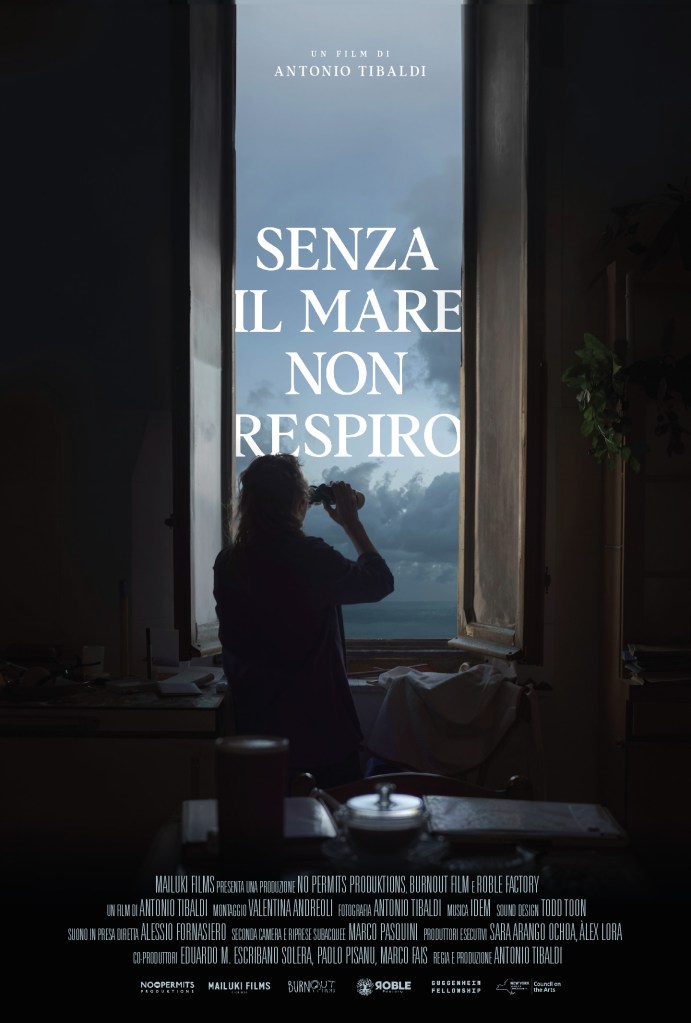
Original Title: Senza il mare non respiro
International Title: Without the sea I can’t breathe
Director: Antonio Tibaldi
Countries: Italy, USA, Spain
Running Time: 63′
Language: Italian
Editor: Valentina Andreoli
DOP: Antonio Tibaldi
Music: Idem
Genre: Documentary
LOGLINE:
A 96yearold woman, the sole civilian on Europe’s last prison island, navigates a life of chosen solitude where unexpected relationships with inmates reveal a world suspended between exile and belonging.
SYNOPSIS
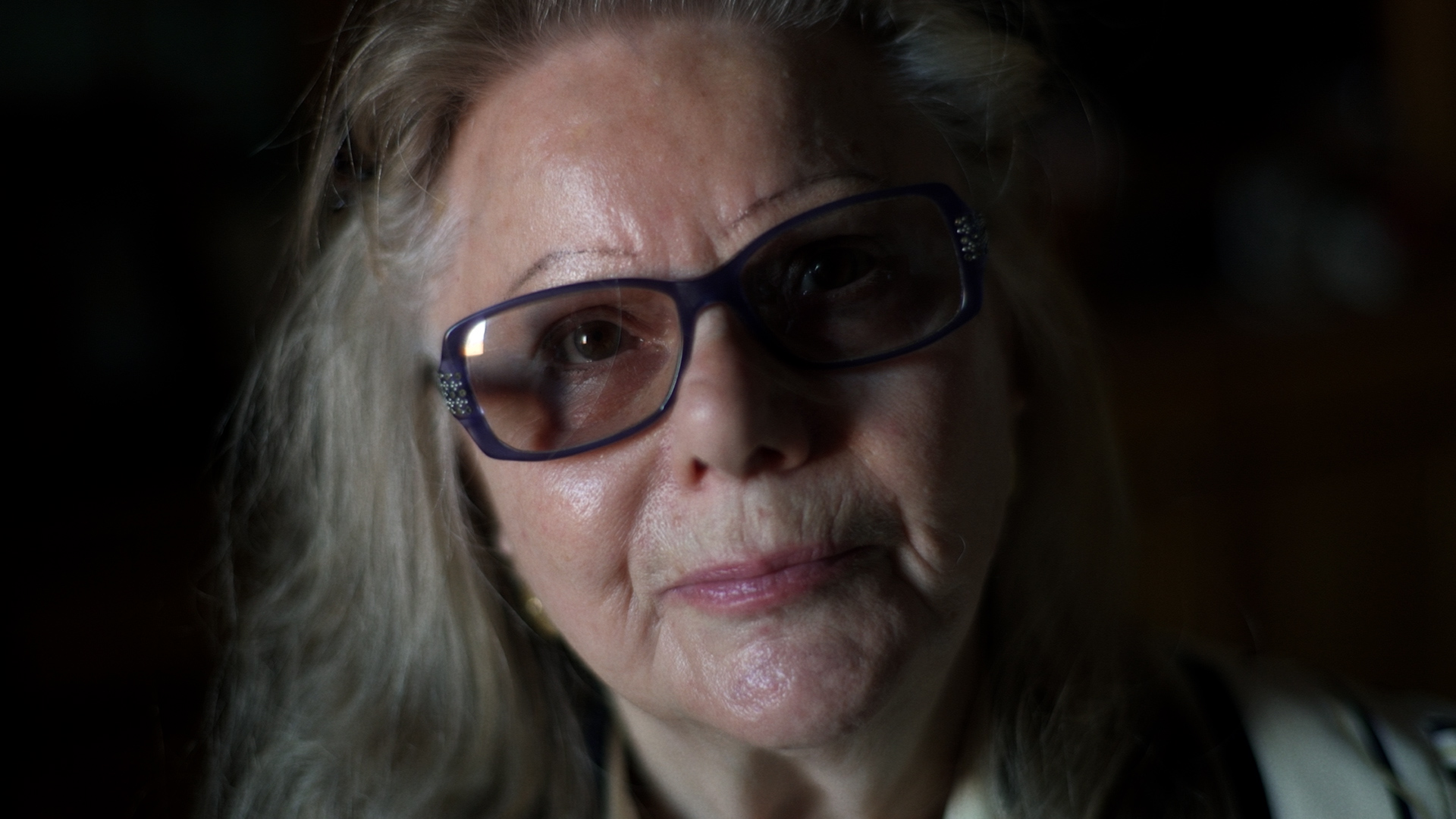
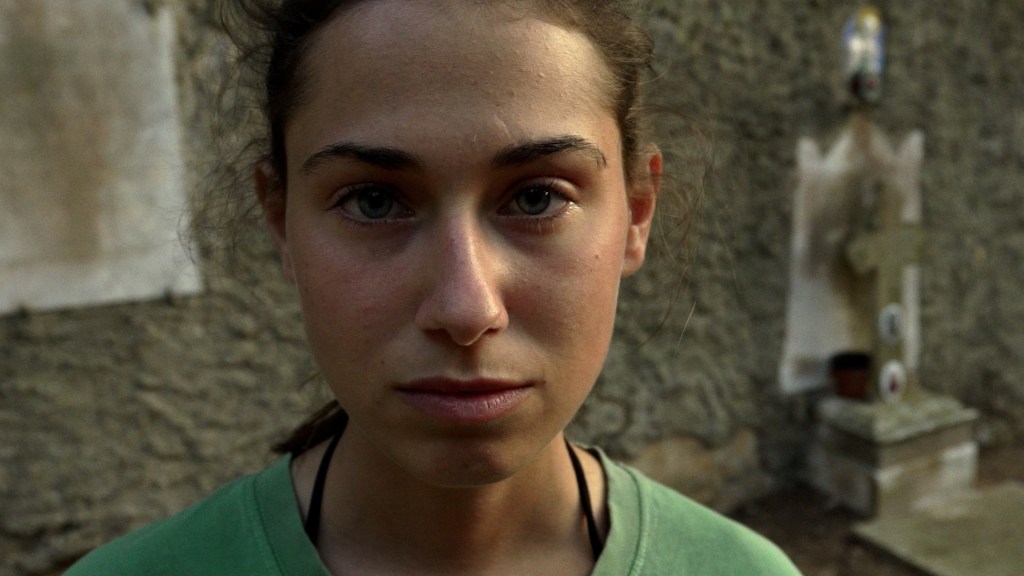
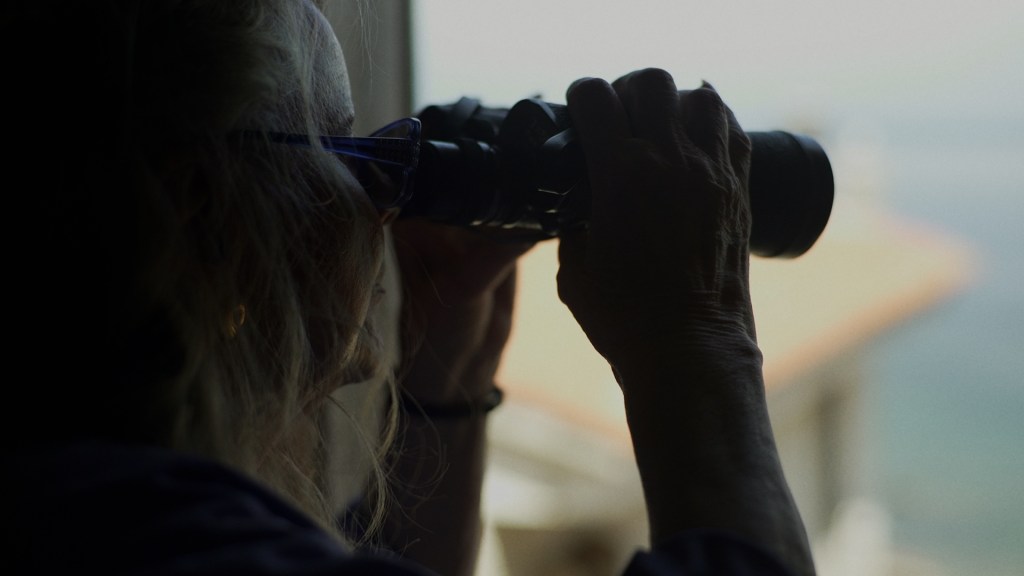
Without the Sea I Can’t Breathe drifts into the life of Luisa Citti, ninetysix years old, the sole civilian resident of Gorgona — Europe’s last prisonisland. Twentytwo nautical miles from the Tuscan shore, this scrap of land feels suspended outside of time, a place where the world arrives only as a distant echo.
Filmed over six years, the documentary follows Luisa’s quiet, radical devotion to the island where she was born. She has remained as everything else shifted, choosing a life pared down to its essentials, a kind of gentle selfexile shaped by wind, stone, and sea. Her solitude brushes against the daily rhythms of the inmates who work the agricultural colony: men who till the earth, tend animals, and learn trades that might one day carry them back to the mainland. In a place without shops, cafés, or passing strangers, human connection becomes a rare and precious tide.
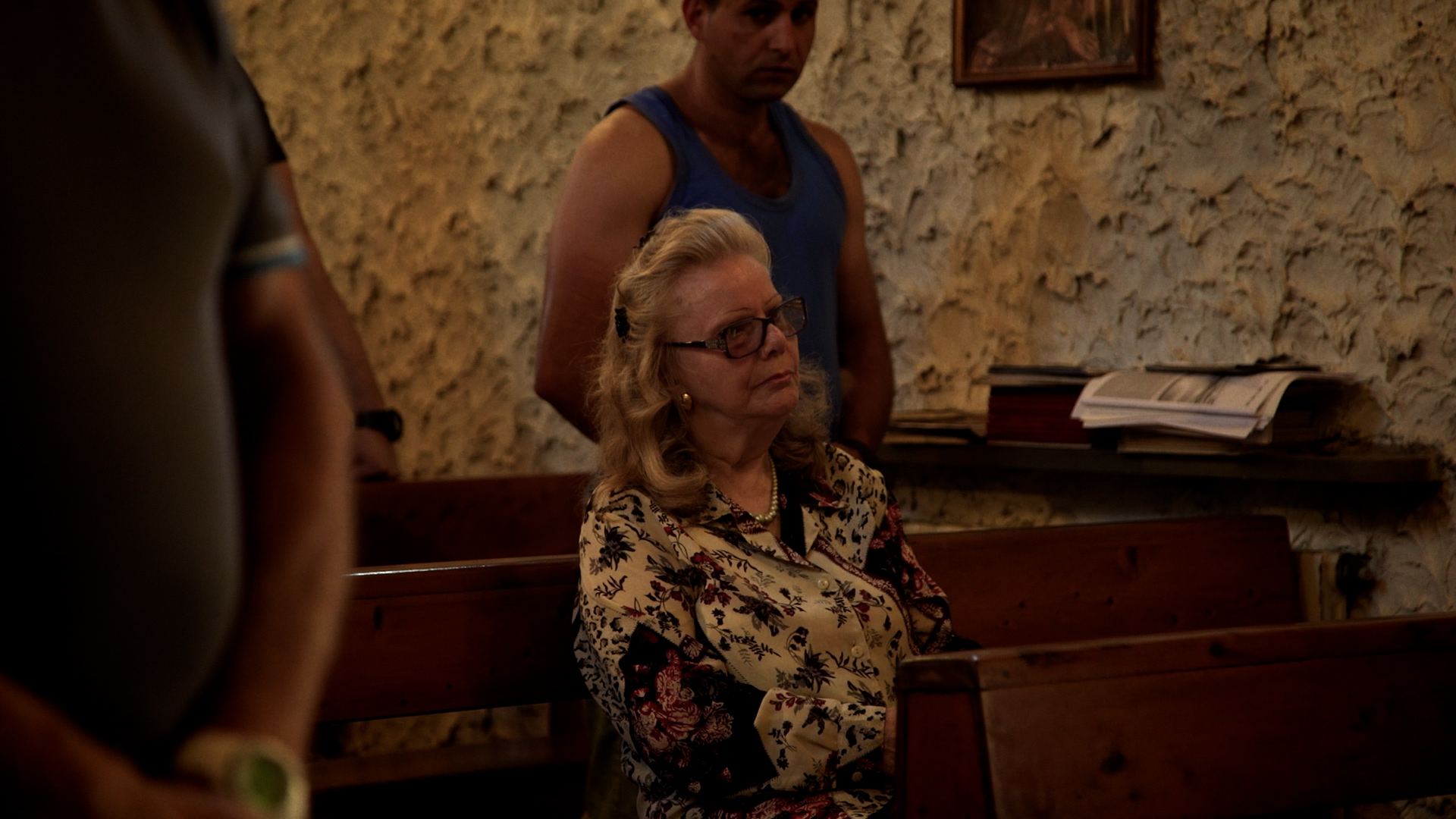
Luisa’s days unfold through a handful of encounters — Pierangelo, the watchful prison officer, and Paolo and Armando, two inmates whose presence softens the island’s edges. Between them, fragile bonds take shape, woven from silence, shared labor, and the quiet surfacing of old wounds. The film reveals a breathing world where freedom and captivity blur, and where isolation becomes both a sentence and a chosen way of being.
DIRECTOR’S STATEMENT
I spent extended periods of time on Gorgona between 2017 and 2019 to make Gorgona, and in that suspended time I met Luisa Citti. She was the island’s only permanent resident, but more than that, she was its pulse — the last thread tying the present to a world that had almost vanished. Stepping into her home, walking beside her through the island’s steep paths, sharing the long silences shaped by wind and sea, I realized that Luisa carried Gorgona inside her. She wasn’t simply living in isolation; she was guarding a memory no one else could hold. That realization stayed with me. It asked for a film.
I returned in 2023 and 2024 to continue filming, to witness how her bond with the island — and with the men who work its prisoncolony fields — had deepened, frayed, and transformed. In the summer of 2025, editing with Valentina Andreoli, we searched for a form that could honor the island’s fragile atmosphere: a place where time stretches, where gestures matter, where silence speaks louder than words.
Without the Sea I Can’t Breathe is the second chapter of a trilogy about confinement, isolation, and the fragile, complicated paths toward liberation. All three films are rooted in the same symbolic ground: Gorgona as a threshold — a place where people confront the boundary between inside and outside, between who they were and who they might become.
The trilogy will close with Fuori, now in production, which follows a father and son — once serial robbers — as they attempt to rebuild their lives in freedom. If Gorgona is the story of captivity and waiting, and Without the Sea I Can’t Breathe is the story of exile, then Fuori is the moment of stepping out: the collision with the world, its rules, its promises, and its disappointments.
This trilogy is, for me, a way of understanding what it means to remain, to endure, to leave, and to return — and how each of these acts reshapes a life.
#mailukifilms #documentary #docs #oscars #academyawards

