Title: Septeno
Director: Óscar Pérez
Producers: Óscar Pérez, Tiago Mendes, Alex Pérez,
Country: Spain
Running Time: 29
Language: Spanish
Year: 2026
Genre & Subgenres: Thriller, Western, Myth, Mythologial Cinema, Supernatural, Rural Horror, Horror, Drama, Fantasy, Folk Horror, Rural, Mystery, Psychological, Thriller, Suspense, Period Film, Historical Drama, Dark Fantasy, Dark Folklore,
Stars: Jordan Blasco, Agus de Cabo, Carolina Morocho, Alejandra Pérez, Fernando Saldaña, Ángel Herrero, Carlos Sanz, Ana del Pozo, Mario del Pozo,
Original Music: Aleix Losa
Edition: Óscar Pérez
Logline:
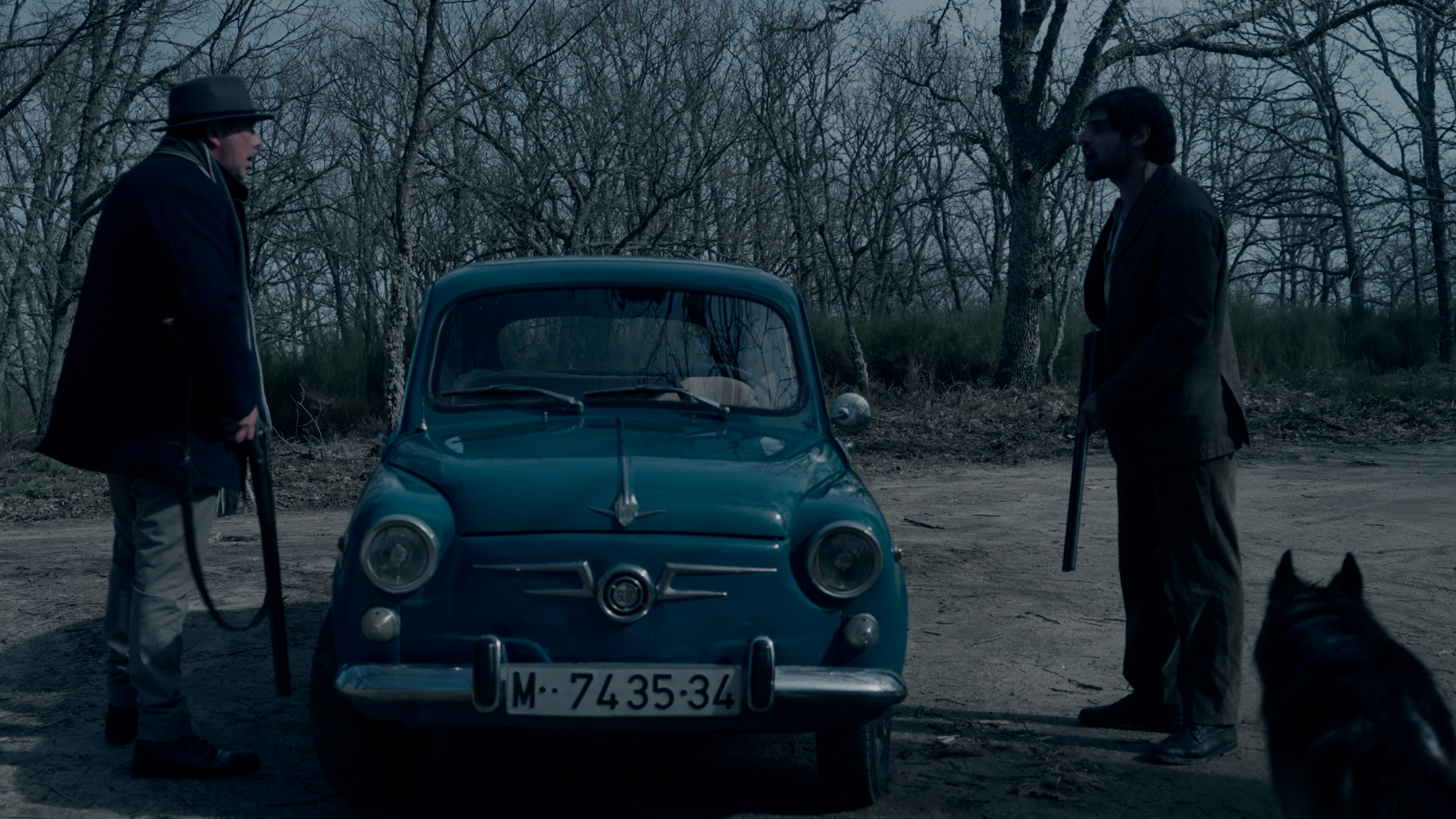
Every seven years, creatures emerging from the forest attack humans. Pedro must confront his uncle Tomás, who arrives with a mission: to hunt one of these creatures.
Cada siete años, unas criaturas salidas del bosque atacan a los humanos, Pedro se enfrenta a su tío Tomás que viene con una misión, cazar una de estas criaturas.
Synopsis:
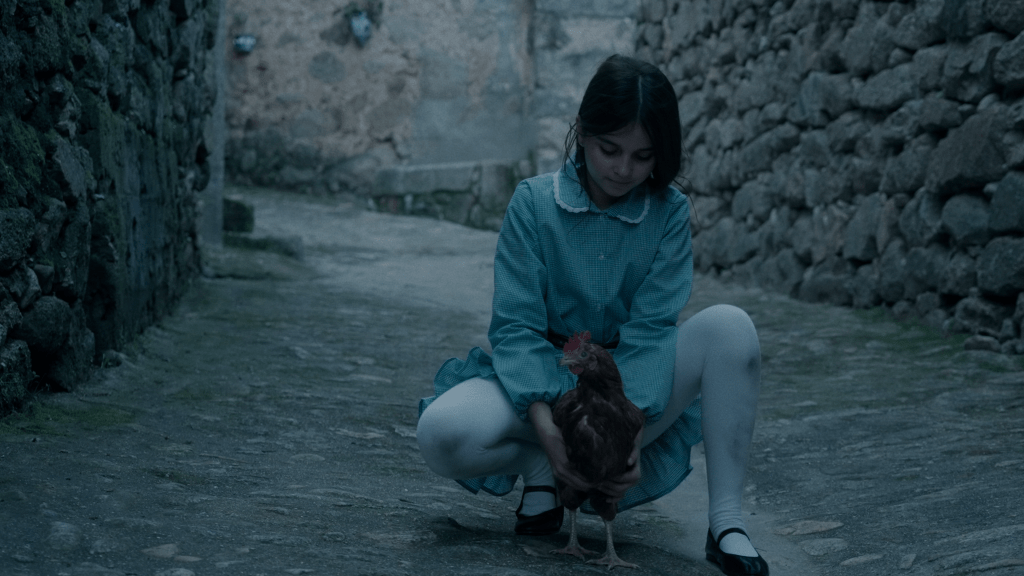
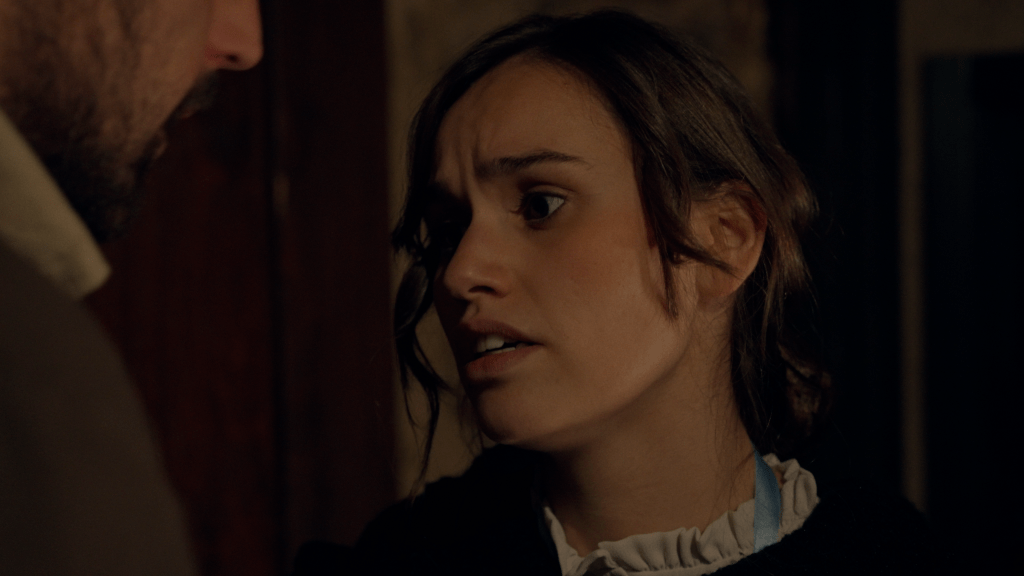
1961. Deep in the forests of the Sierra de Francia, a legend endures. Every seven years, creatures emerging from the woods attack humans, hunting them for food. Pedro, a family man, must confront his uncle Tomás, who arrives from Madrid with a secret mission: to hunt one of these creatures. As the past resurfaces, the legend comes to life. No one is prepared to survive the Septeno.
1961. Entre los bosques de la sierra de Francia, existe una leyenda. Cada siete años, unas criaturas salidas del bosque atacan a los seres humanos para cazarlos y alimentarse. Pedro, un hombre familiar, tiene que enfrentarse a su tío Tomás que viene de Madrid con una misión secreta, cazar a una de estas criaturas. El pasado resurge y la leyenda cobra vida. Nadie está preparado para sobrevivir al Septeno.
Statement’s Director:
The intention behind Septeno is to develop it into a feature-length film. The project was born from a desire to explore the deepest roots of the villages in the Sierra de Francia, such as Miranda del Castañar and La Alberca—their traditions, people, and legends. Set in 1961, in a completely isolated environment, this story blends family drama, rural western, and psychological horror to create its own mythology: creatures that emerge every seven years to feed on human fear.
Septeno draws inspiration from real conversations with people from these villages who lived through an era marked by poverty, repression, and self-sufficiency. Pedro, the protagonist, represents a humble man struggling to protect what little he has, while his uncle Tomás embodies ambition and disdain for the land and its roots.
The story began in late 2023 as an idea for a short film and evolved over more than a year of work into this project. It was made possible thanks to a dedicated, creative, and committed team, determined to make films in locations that might initially seem improbable—working with limited technical resources but driven by a passion for storytelling.
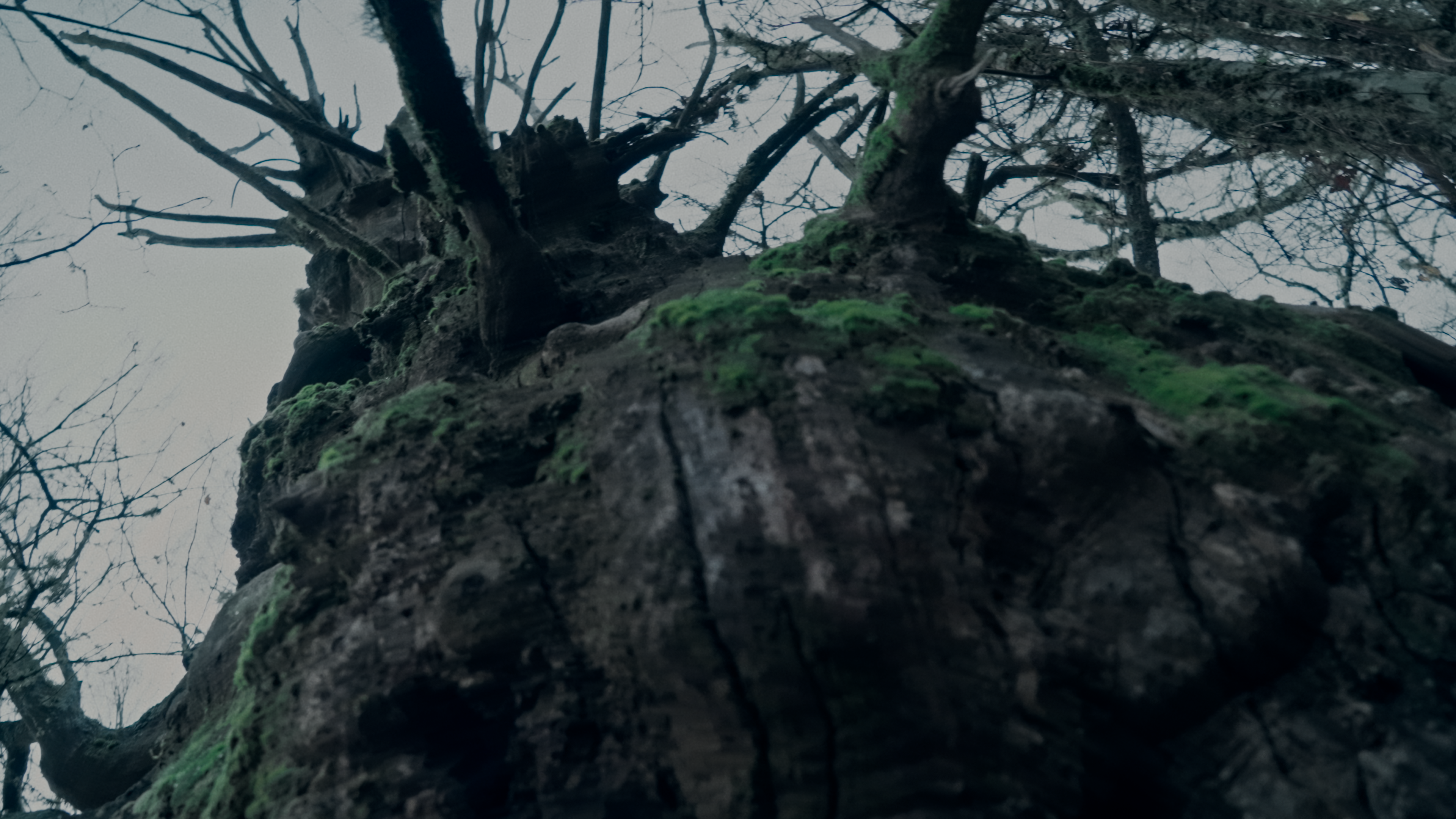
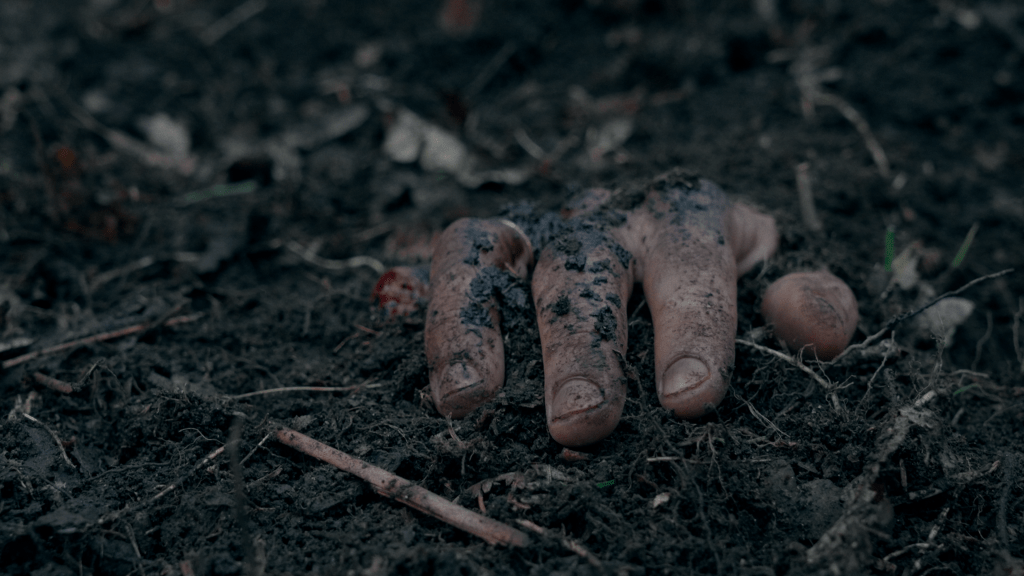
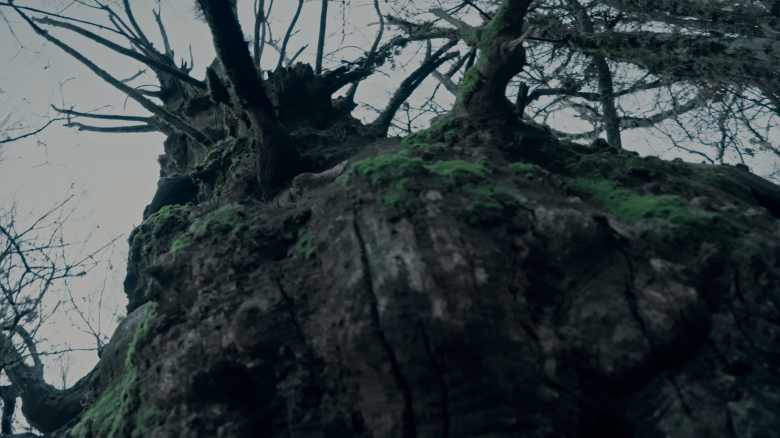
Within these villages, legends and traditions always persist. While this story is not a real legend, it could be understood as a compilation of legends forming a complete narrative, where these creatures—revealed only at the end—emerge from the forest floor every seven years to attack humans.
In just a few moments, the story conveys the weight of a specific time and situation in Spain. The screenplay integrates real references: testimonies of people who recounted their lives, ancestors, and traditions. Rural Spain in the 1960s was isolated, surrounded by mountains, with a harsh and poor way of life. I was interested in exploring the isolation of these villages, where news arrived slowly, politics was experienced from a distance, and fear was transmitted through stories and superstitions. This mix of real context and myth inspired me to write the story.
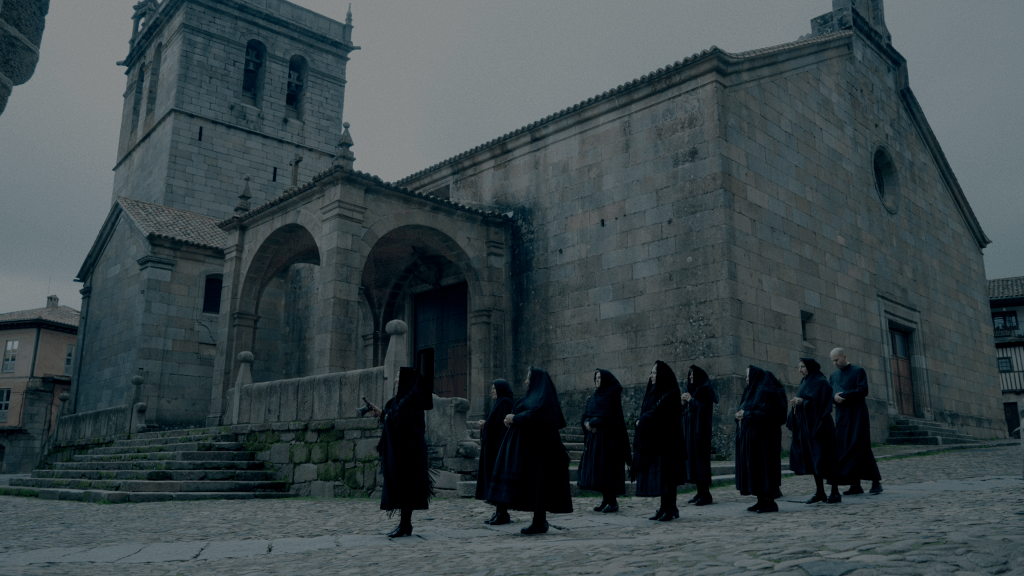
The village of Septeno does not appear on maps, but anyone familiar with the Sierra de Francia could locate it. It is a remote place, at the bottom of a valley, surrounded by dense forests and dirt roads. A village where time seems to stand still, where family relationships are defined by distrust, inheritance, and fear. Everything in Septeno is grounded in reality: the costumes, the houses, and the rituals.
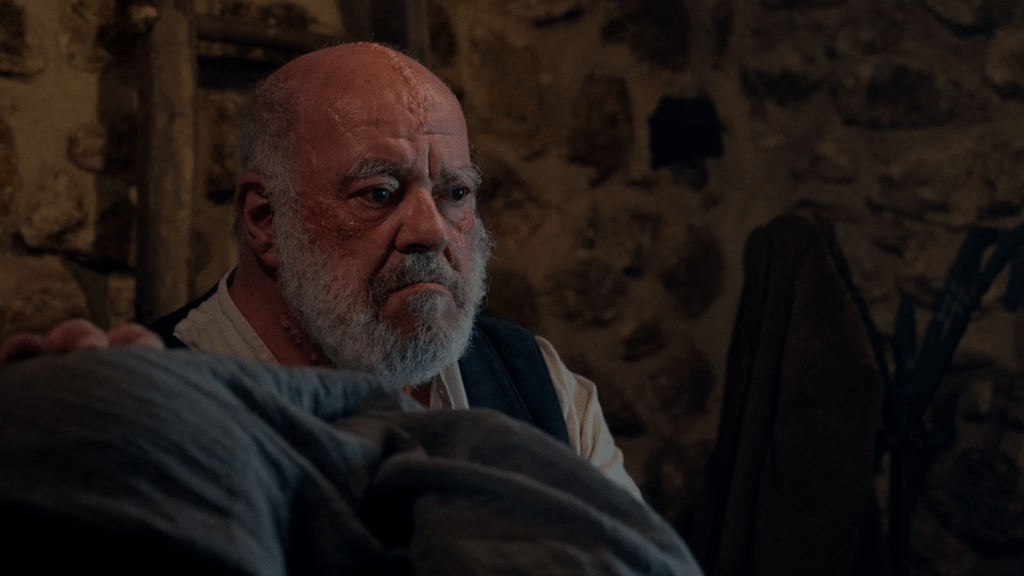
The creatures represent inherited fear—a fear passed from parents to children—and manifest in them. The story explores themes of trauma, ambition, power, the weight of the past, rural memory, and family, while also delving into the invisible. Pedro is the emotional core of the story: a humble landowner shaped by a past accident during the previous Septeno, when his father almost lost his life. He represents rootedness, family continuity, and fear of change. His uncle Tomás, arriving from Madrid with ties to the Franco regime, represents ambition, imposed modernity, and the corruption of familial bonds. Their conflict is both personal and symbolic—a struggle between two visions of the country, power, and fear.
The story is written in a restrained tone, focusing on atmosphere, influenced by mystery, westerns, rural horror, and magical realism. Psychological tension, slow pacing, and observation of the environment are used to enhance the narrative. Having spent much of my childhood in these communities, speaking with locals about the origins of the villages and life in such isolated areas, I wanted to portray the reality of the 1960s: a Spain changing socially, promoting itself as a holiday destination, while in interior regions like the Sierra de Francia, life remained harsh, dependent on agriculture and livestock. Many inhabitants emigrated for a better life, sending money home to survive. Hunger was a constant problem, and the community relied on basic products like potatoes, bread, water, and milk.
Intenciones del Director:
La intención de Septeno es desarrollarlo como largometraje. El proyecto nace del deseo de explorar las raíces más profundas de los pueblos de la Sierra de Francia, como Miranda del Castañar y La Alberca: sus tradiciones, sus gentes y sus leyendas. Ambientada en 1961, en un entorno completamente aislado, esta historia mezcla drama familiar, western rural y terror psicológico, dando forma a una mitología propia: unas criaturas que emergen cada siete años para alimentarse del miedo humano.
Septeno se inspira en conversaciones reales con vecinos de estos pueblos que vivieron una época marcada por la pobreza, la represión y la autosuficiencia. Pedro, el protagonista, representa a un hombre humilde que lucha por proteger lo poco que tiene, mientras que su tío Tomás encarna la ambición y el desprecio por la tierra y sus raíces.
La historia comenzó a gestarse a finales de 2023 como idea para un corto y evolucionó durante más de un año hasta convertirse en este proyecto. Ha sido posible gracias a un equipo humano entregado, creativo y comprometido, decidido a hacer cine en lugares donde, a priori, parecía improbable, con medios técnicos limitados pero con una gran pasión por contar historias.
En estos pueblos siempre hay leyendas y tradiciones. Aunque la historia de Septeno no es una leyenda real, podría entenderse como un conjunto de relatos que forman una historia completa, donde estas criaturas, que se revelan solo al final, emergen del subsuelo del bosque cada siete años para atacar a los humanos.
En solo unos segundos, la historia transmite el peso de una época y una situación concreta de España. El guion incorpora referencias reales: testimonios de personas que contaban su vida, sus antepasados y tradiciones. La España rural de los años 60 estaba aislada, rodeada de montañas, con una vida dura y pobre. Me interesaba explorar el aislamiento de los pueblos, donde las noticias llegaban con lentitud, la política se vivía desde la distancia y el miedo se transmitía a través de cuentos y supersticiones. Esa mezcla de realidad y mito impulsó la escritura de la historia.
El pueblo de Septeno no aparece en los mapas, pero quienes conocen la Sierra de Francia podrían ubicarlo: un lugar aislado en el fondo de un valle, rodeado de bosques espesos y caminos de tierra, donde el tiempo parece detenido y las relaciones familiares están marcadas por la desconfianza, la herencia y el miedo. Todo en Septeno es real: trajes, casas y ritos.
Las criaturas representan el miedo heredado, transmitido de padres a hijos. La historia aborda traumas, ambición, poder, la carga del pasado, la memoria rural y la familia, al tiempo que explora lo invisible. Pedro es el eje emocional: un hombre humilde y terrateniente, marcado por un accidente durante el Septeno anterior, cuando su padre casi pierde la vida. Representa el arraigo, la continuidad familiar y el miedo al cambio. Su tío Tomás, llegado desde Madrid con vínculos al régimen franquista, representa la ambición, la modernidad impuesta y la corrupción del vínculo familiar. Su conflicto es personal y simbólico: una lucha entre dos visiones del país, del poder y del miedo.
La historia está escrita con un tono contenido, centrada en la atmósfera, influenciada por el cine de misterio, western, terror rural y realismo mágico. La tensión psicológica, el ritmo pausado y la observación del entorno potencian la narrativa. Habiendo pasado gran parte de mi infancia en estas comunidades y conversado con vecinos sobre sus orígenes y cómo se vivía en lugares tan aislados, quise retratar la realidad de los años 60: mientras España se mostraba al mundo como destino vacacional, en territorios como la Sierra de Francia la vida seguía siendo dura, basada en agricultura y ganadería. Muchos vecinos emigraban para buscar una vida mejor o enviar dinero a casa. El hambre era constante, y la comunidad sobrevivía con productos básicos: patatas, pan, agua y leche.
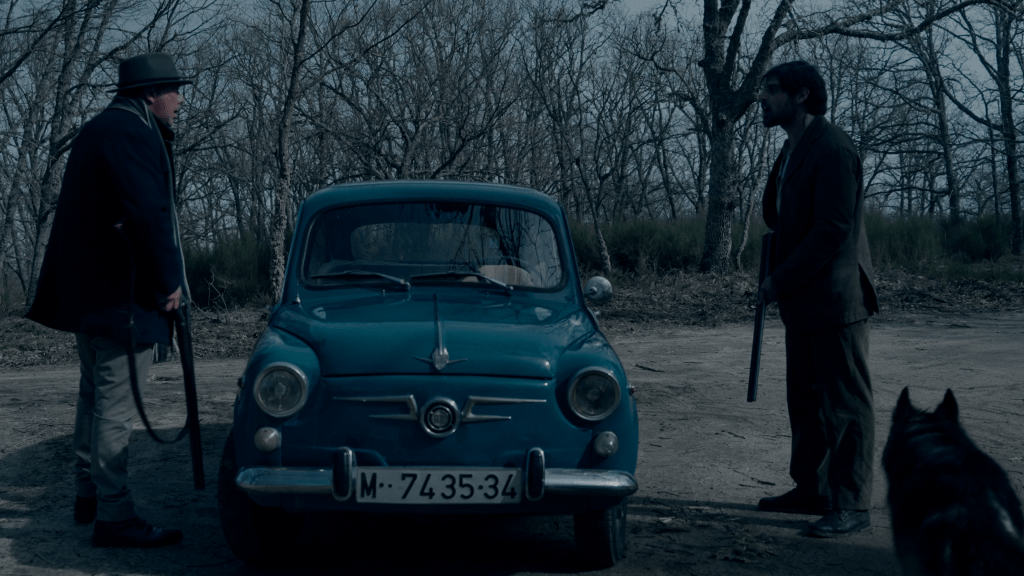
‘Septeno’ is the first film by Óscar Pérez to be distributed by Mailuki Films.
 MAILUKI FILMS