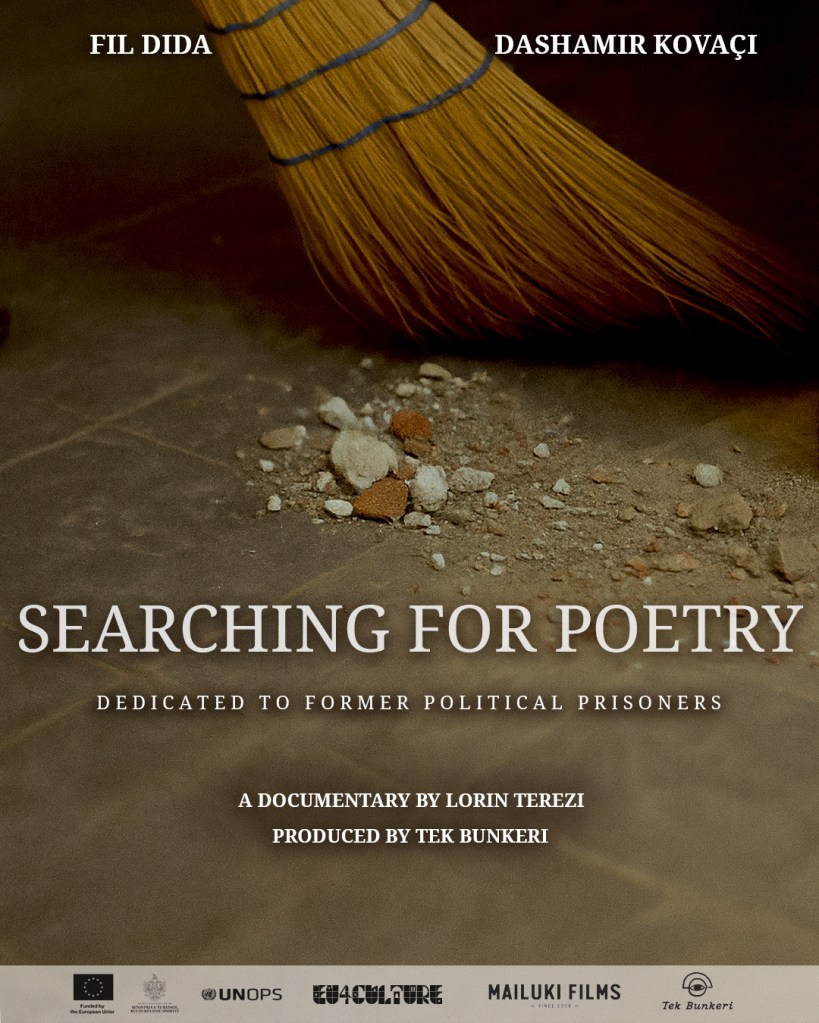
Title: Searching for Poetry
Director: Lorin Terezi
Producer: Tek Bunkeri
Country: Albania
Running time: 26’58”
Language: Albanian
Genre & Subgenre: Documentary, Politics, Drama, Social, History, Mediterranean, Eastern Europe, Soviet sphere
Logline
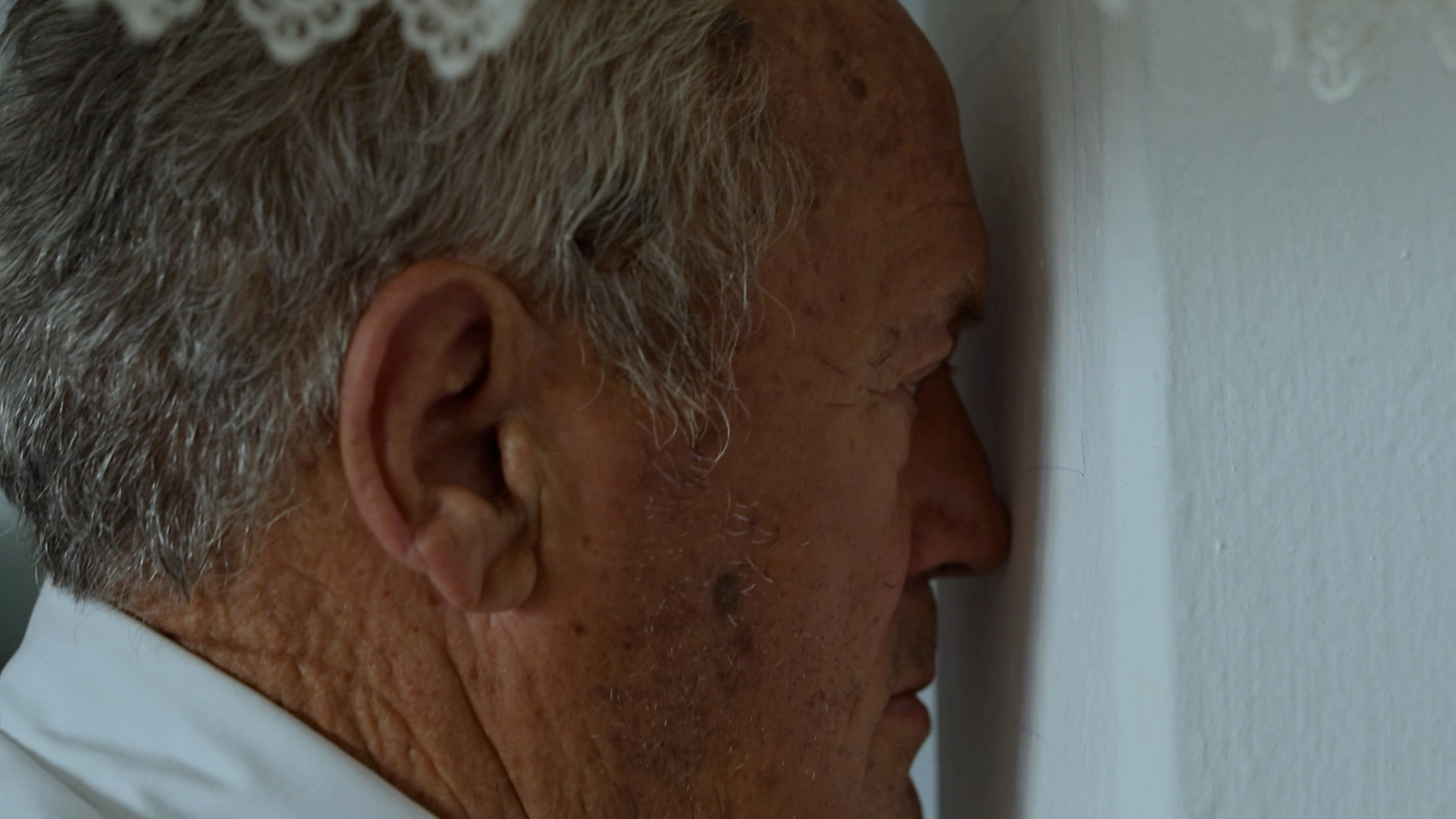
Fili, a former political prisoner, hid two notebooks of poems inside the wall of an apartment during the communist era; fifty years later, he returns to the town to search for them.
Synopsis
Fili is a former political prisoner. During the communist dictatorship, he was forced to work in the construction of apartment buildings. Another imprisoned poet, who did not work in construction, entrusted him with two notebooks of poems he had secretly written in his cell — a secret that, if discovered, would have sent them both back to prison for ten more years. Fili hid the notebooks within the wall of the apartment building where the new prison director was to live. He placed them on the upper floor, at forehead height, inside a brick with six holes, and then covered everything with plaster.
Long Synopsis
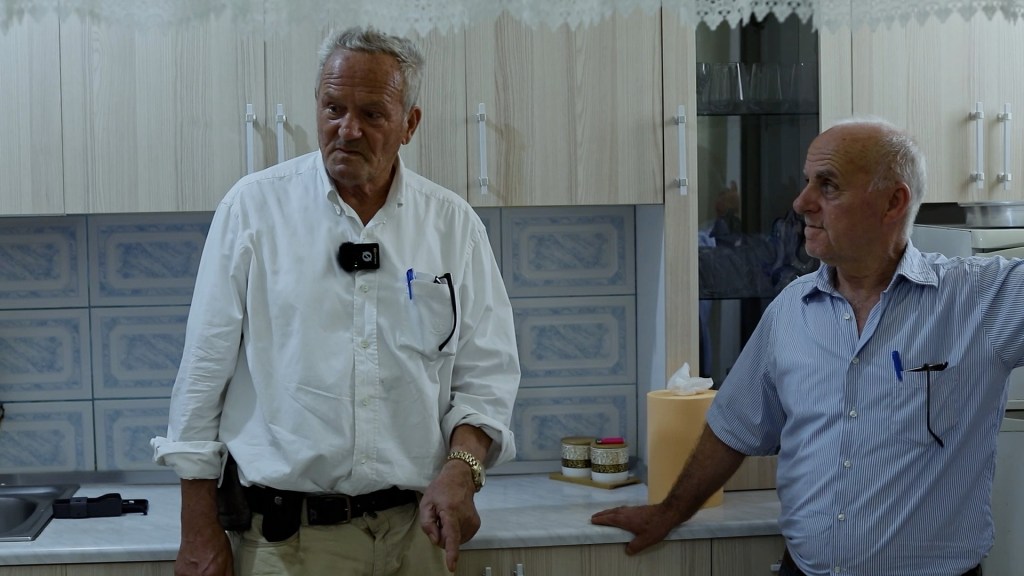
Fili is a former political prisoner. During the communist dictatorship, he was forced to work in the construction of apartment buildings. Another imprisoned poet, who did not work in construction, entrusted him with two notebooks of poems he had secretly written in his cell — a secret that, if discovered, would have sent them both back to prison for ten more years. Fili hid the notebooks within the wall of the apartment building where the new prison director was to live. He placed them on the upper floor, at forehead height, inside a brick with six holes, and then covered everything with plaster.
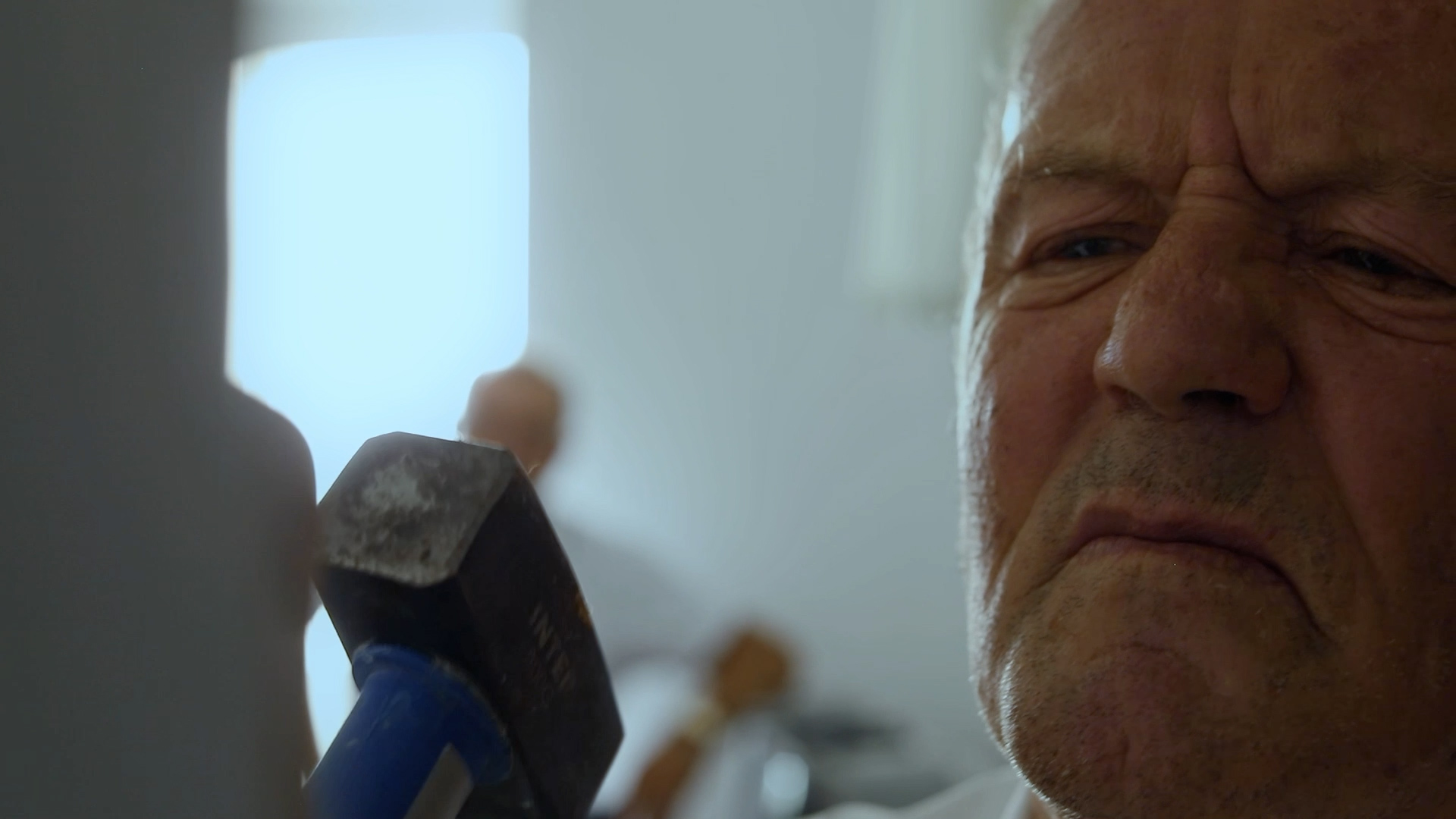
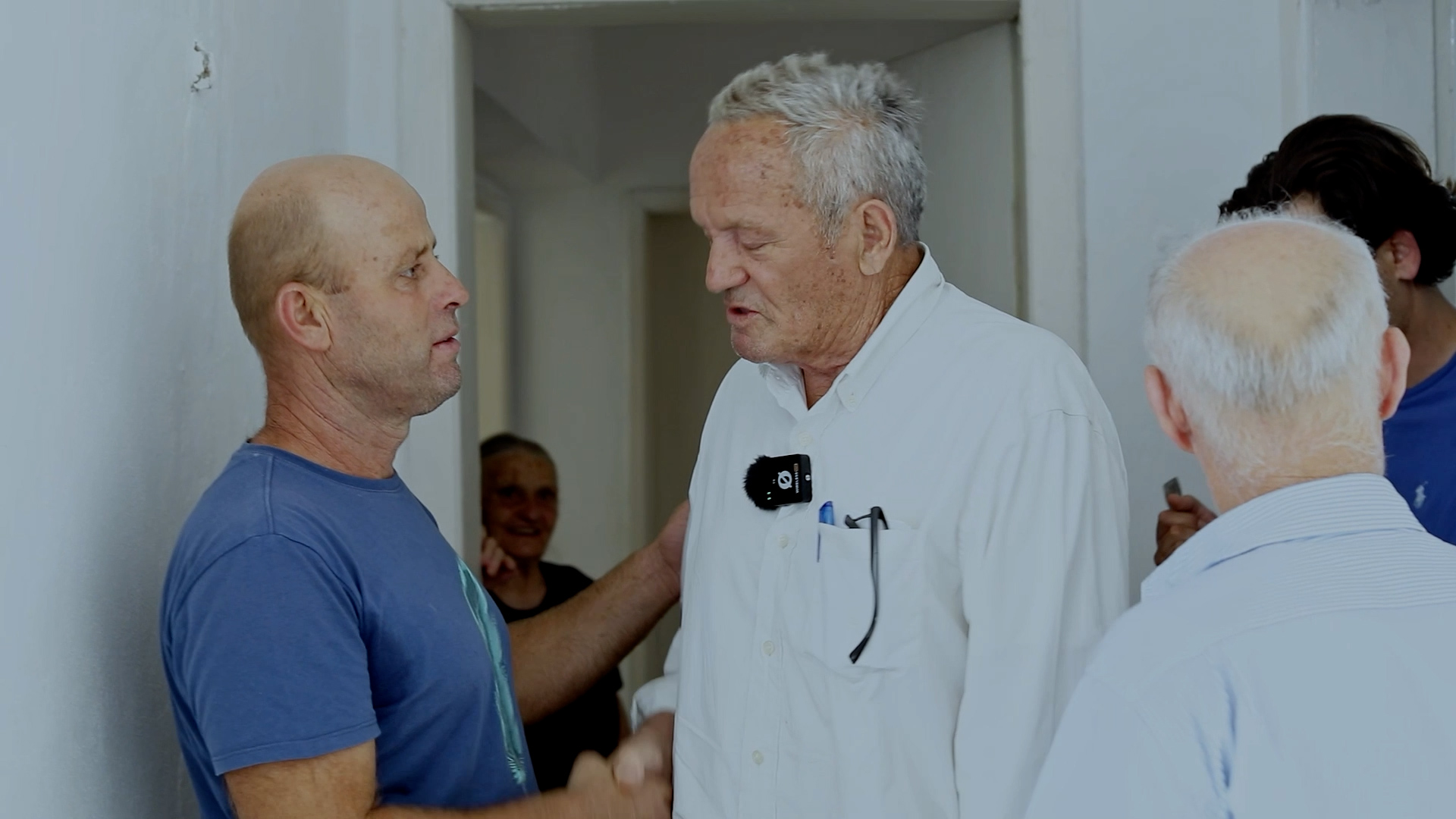
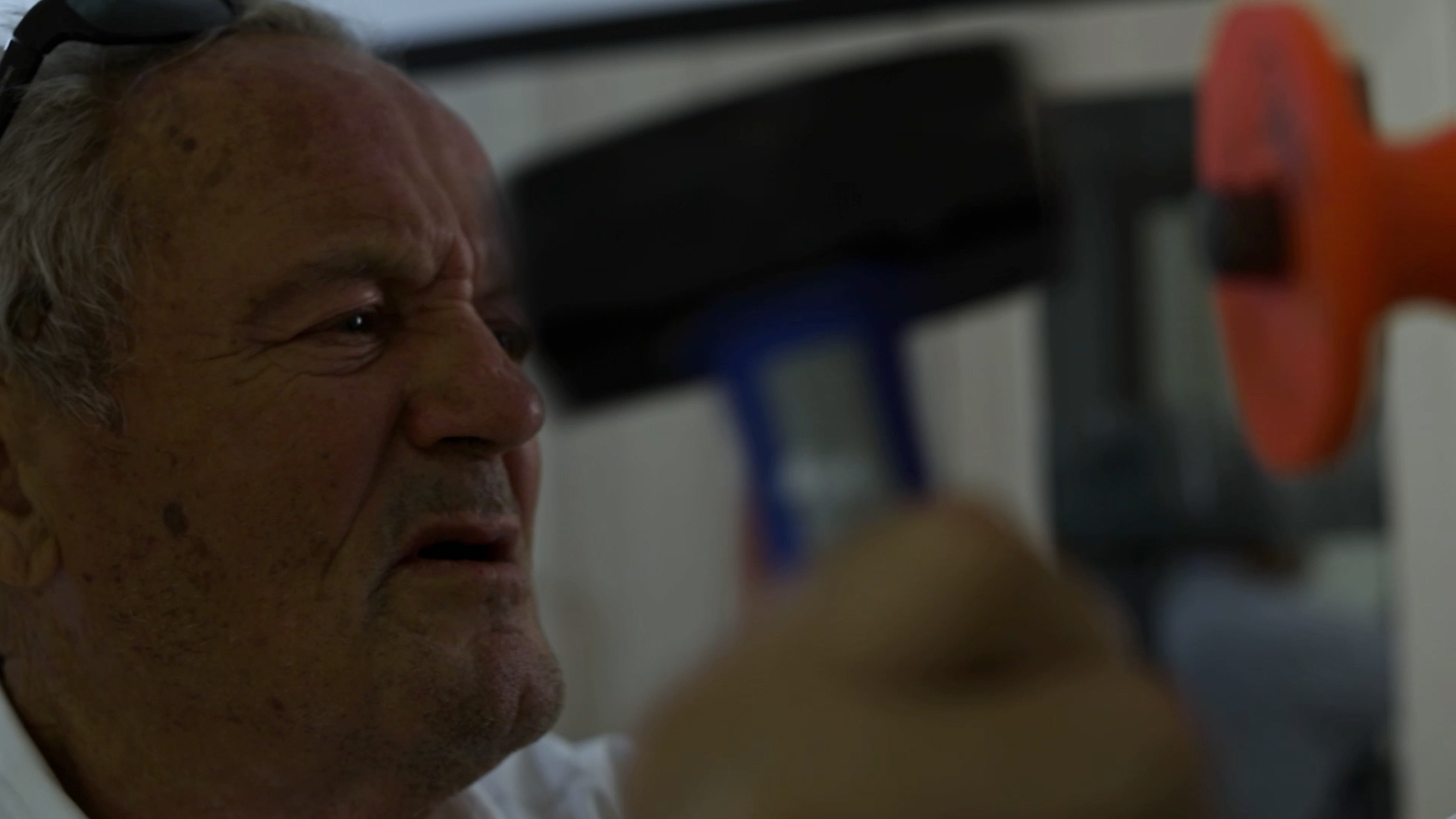
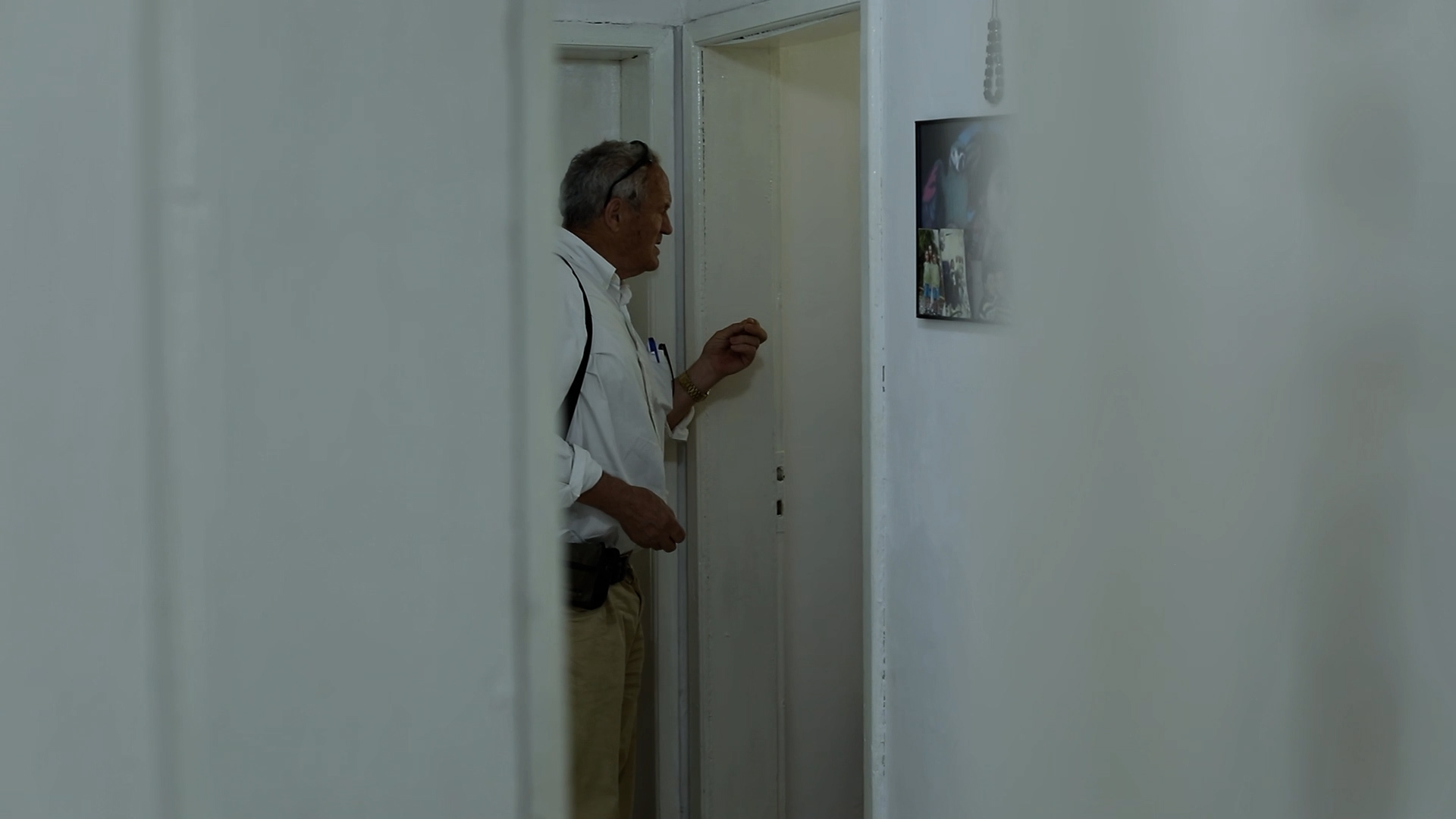
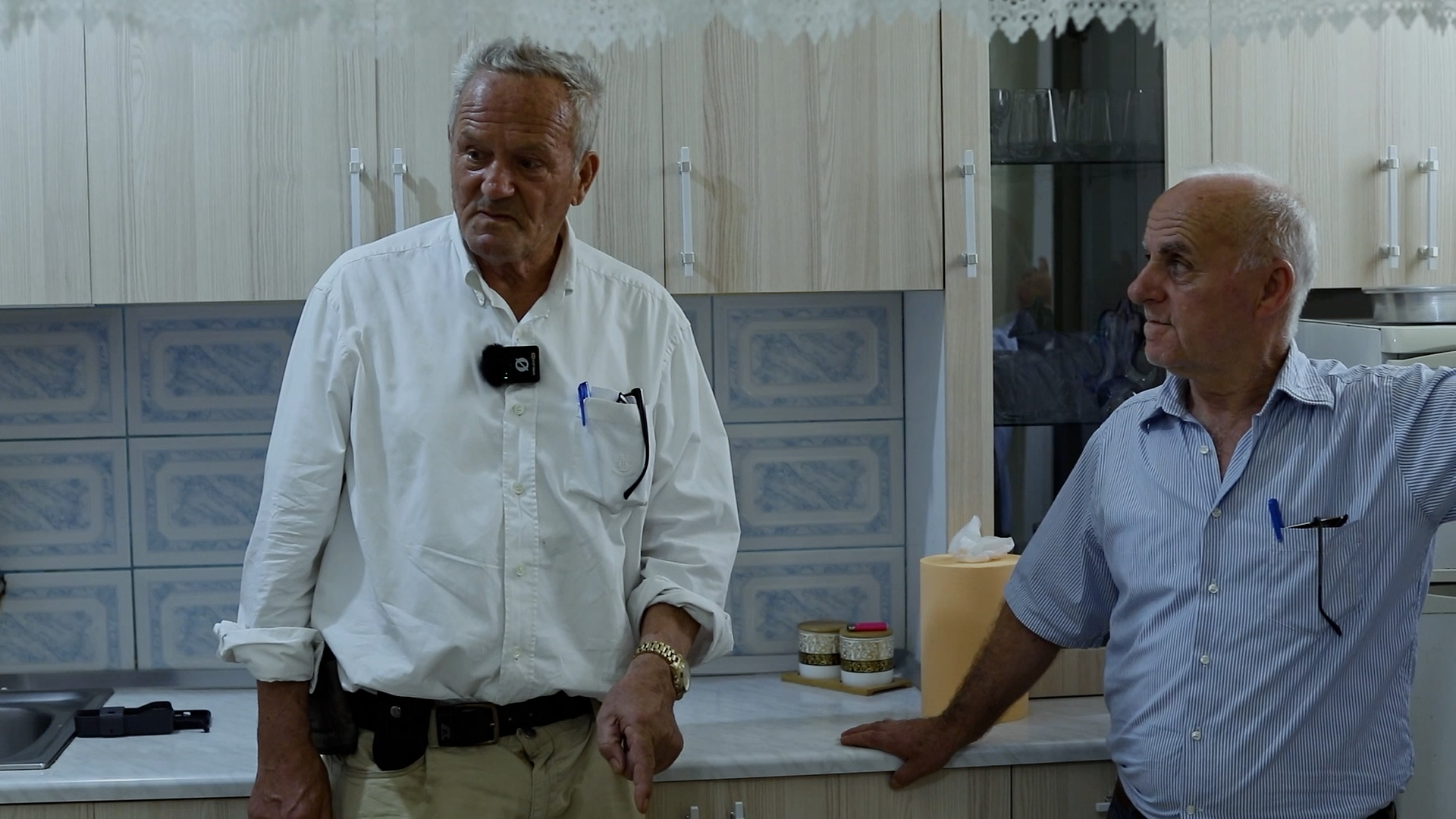
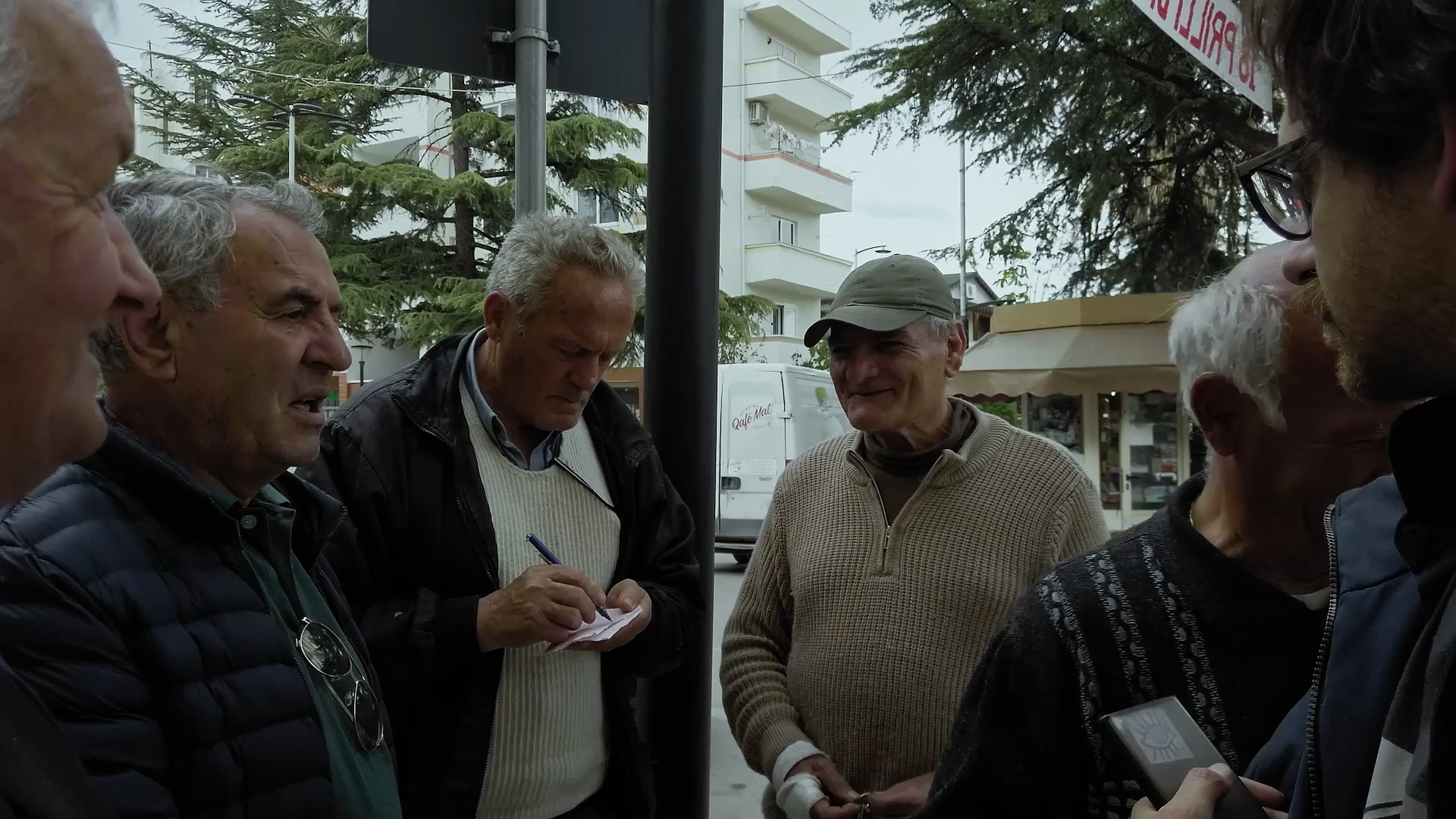
Fifty years later, in the present day, he returns to search for them. The entire small town mobilizes to help. A former prison guard shows him the director’s apartment. They begin knocking on the doors they suspect. An elderly woman does not allow them to dig without her son, who works in Greece, being present. When the son finally arrives after several months and grants permission, Fili finds nothing behind the fifty-year-old plaster. He then goes to the adjacent apartment, convinced that the poems are there, but the wall has been expanded and still nothing is found. He leaves, apologizing and thanking everyone.
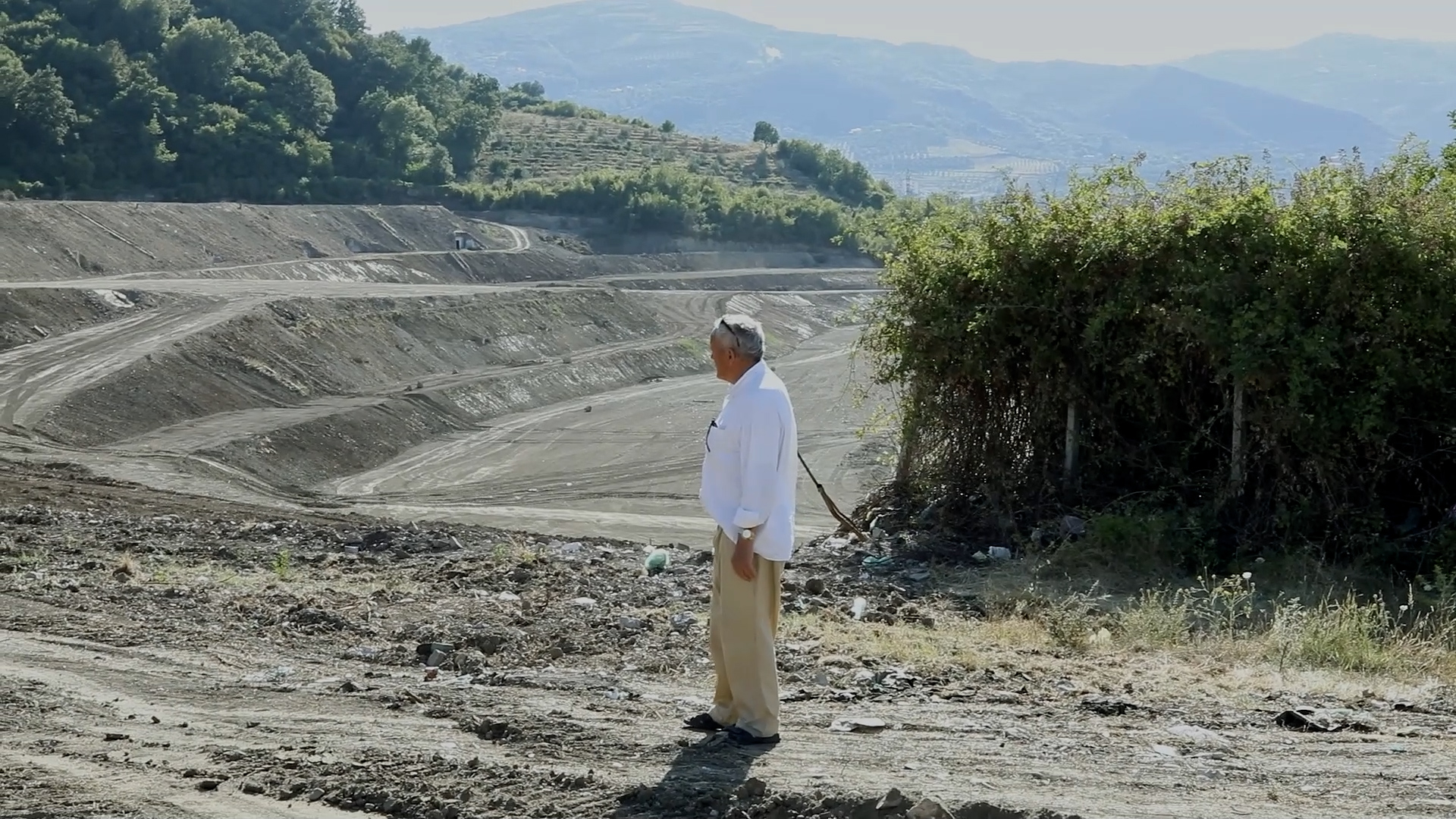
In the end, he visits the ruins of the prison where he served his sentence. There is no trace of the past. The poems are never found.
The documentary explores forgetfulness, the erasure of collective memory and suffering, and a time that no longer seems ready for poetry.
Director’s Statement
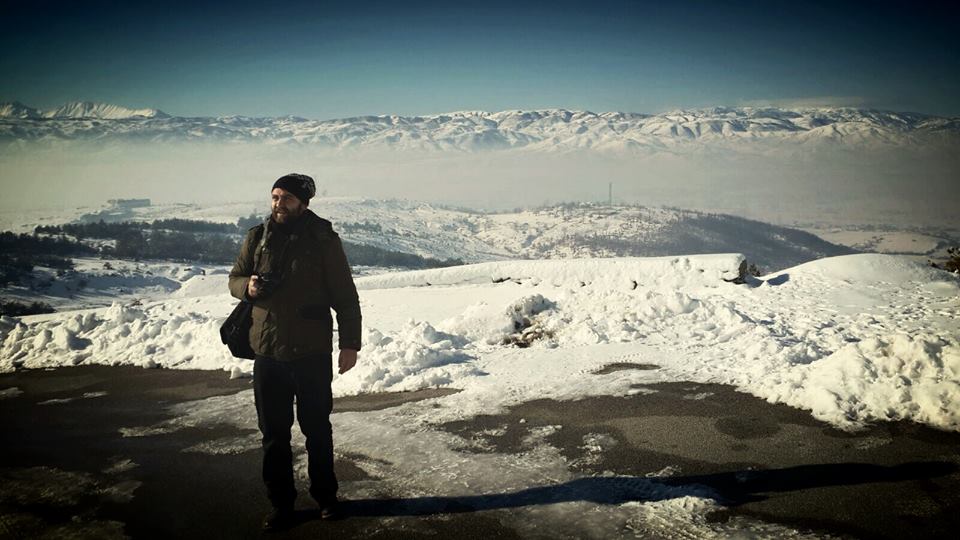
We had known Fili for some time, together with Arnen, who works on stories of communism. He is an honest and deeply affected man, and he casually told us about the notebooks of poetry he had hidden during the dictatorship. He was convinced he could find them, and we decided to shoot the documentary with a very small budget, hoping to capture this search — this extraordinary journey between the past and the present, between memory and oblivion. I chose to film the documentary in a direct and authentic way, staying as close as possible to the truth, creating conditions in which the characters could forget they were being filmed, so that their emotions and their search could be as natural and unguarded as possible.
Searching for poetry in a time of technology and bad music may seem outdated; it is the era of short essays and bombastic texts. But poetry still lives within us with the same force, and that is what drives us to tell Fili’s story. Saying “I miss poetry” today may sound pathetic, but its absence is exactly what draws us toward the pursuit of beauty and the immortal, that which has survived in secret for over fifty years.
For me, Fili’s story is not only a search for poetry, but also a portrait of an era and the people who represent political prisoners. They were not criminals; they were punished for refusing submission and for demanding freedom. Through my grandmother’s memories, I envision poorly fed, poorly clothed men, their hands chained, laboring exhausted under armed supervision, building apartments far from the wet walls of the prison cells, stripped of their identity as individuals. They worked for the dictatorship, but their minds and spirits remained free, seeking ways to resist violence and to preserve their dignity.
Albania, in a long and turbulent transition, has still not held the perpetrators of communism accountable; some of them are even regarded as heroes. The prison no longer exists, as if someone had wanted to erase the traces of survival and hope. The perpetrators continue to live freely, even portraying themselves as victims.
The documentary reflects on oblivion, collective suffering, and a society where memory of the past, sacrifice, and freedom is still incomplete. It is about ordinary people striving to reclaim the hidden beauty of the past and the poetry that has survived in silence.
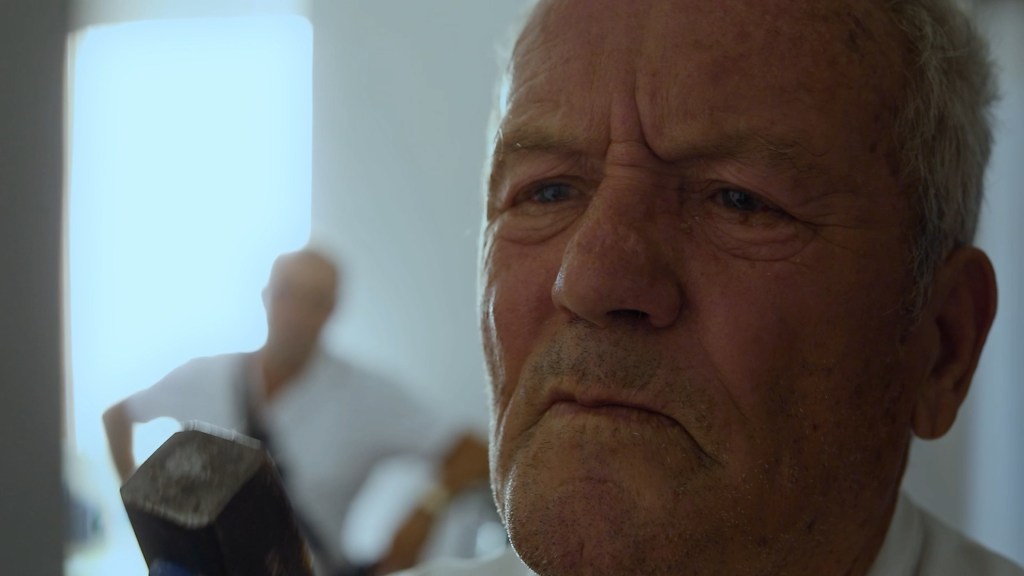
This is Lorin Terezi’s third short film at Mailuki Films after “Tirana, 15 Kilometers” and “The News,” which was candidate for the Hollywood Oscars and an European Film Award (EFA).

 MAILUKI FILMS