Title: Iranian Express
Country: Iran
Year: 2027
Director: Ilnaz Kheirkhah
Producer: Majid Barzegar
Editor: Hamid Najafi-Rad
DOP: Ali Hosseinzadeh
Music Composer: Houtan Pourzaki
Sound: Mohammad- Mehdi Javaheri-Zadeh
Stars: Shamila Tabesh, Vania Hosseinpour
Logline:
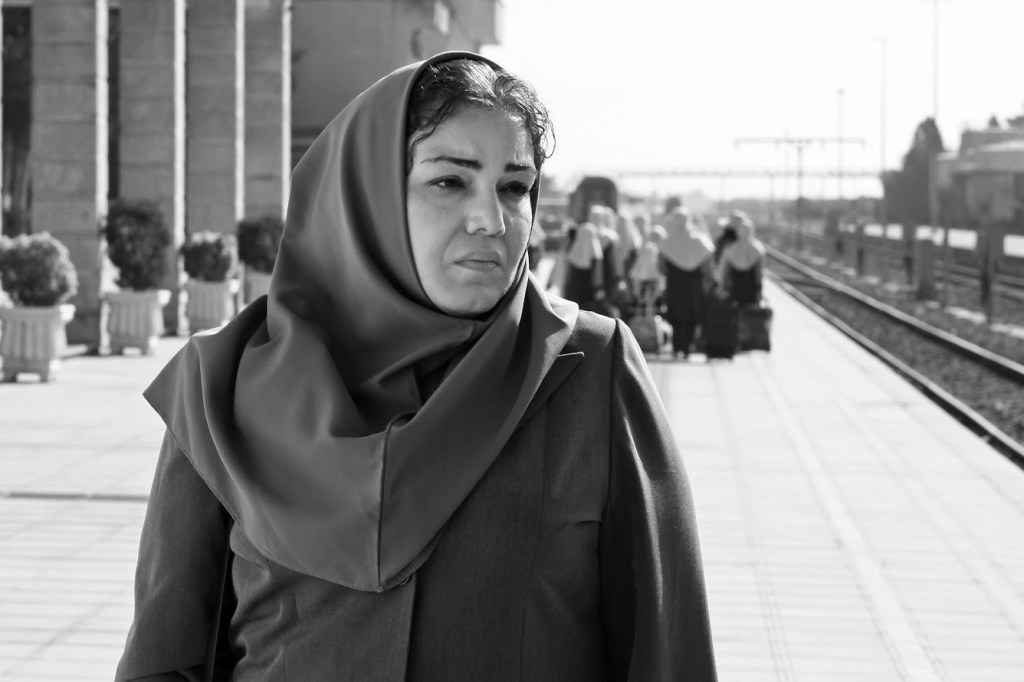
A woman whose body is being destroyed by breast cancer finds herself drawn to apocalypse-watching tours, tempted to witness the end of the Earth firsthand. One of her students plays a significant role in awakening this desire.
Synopsis:
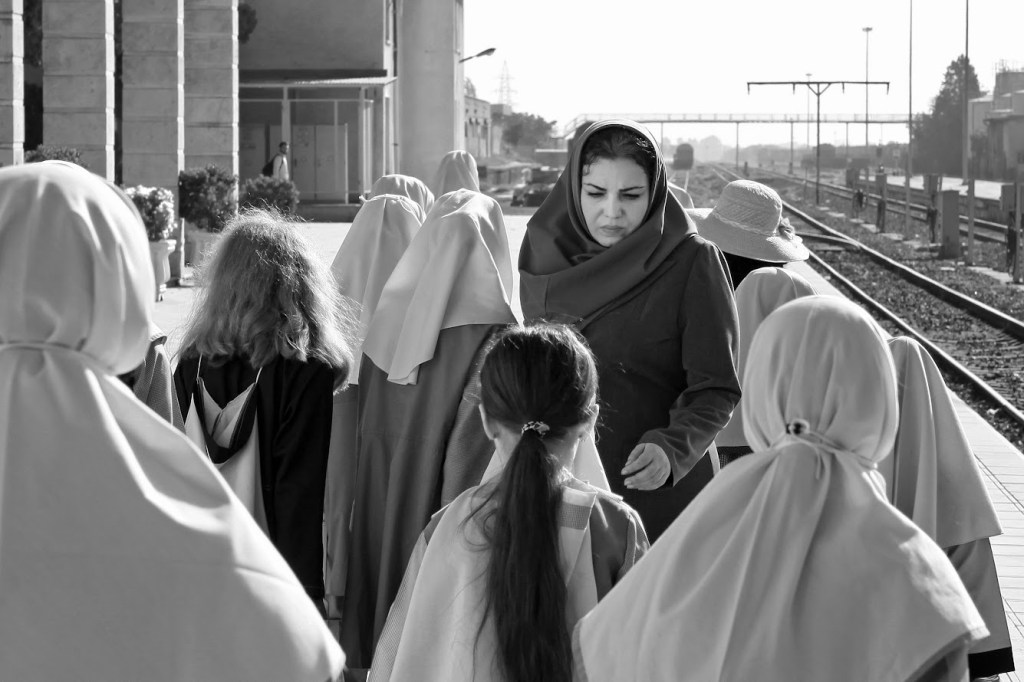
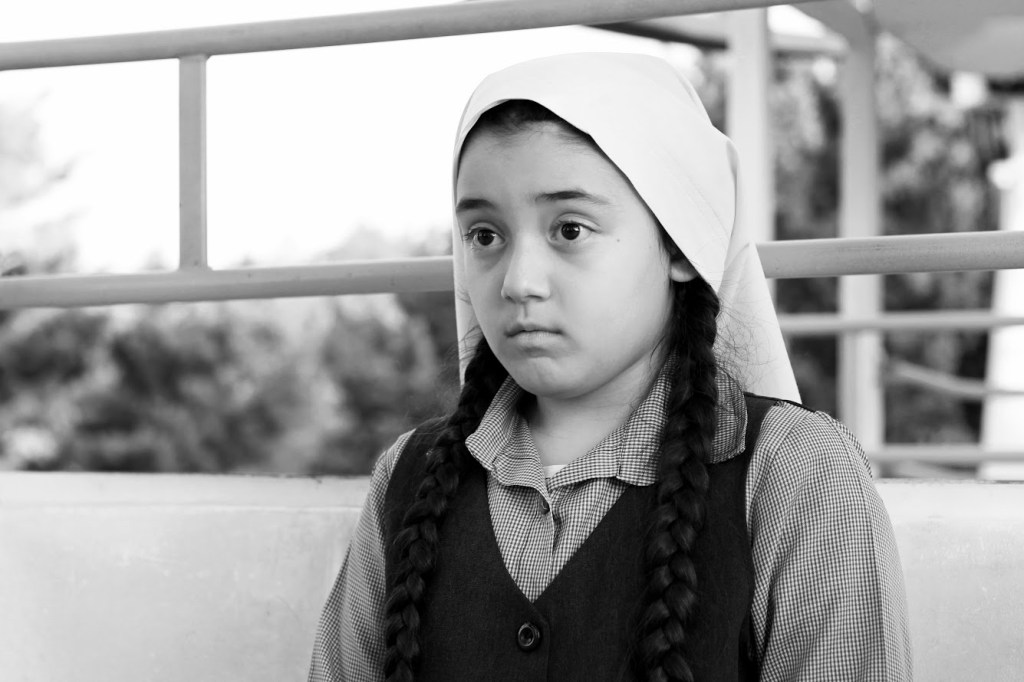
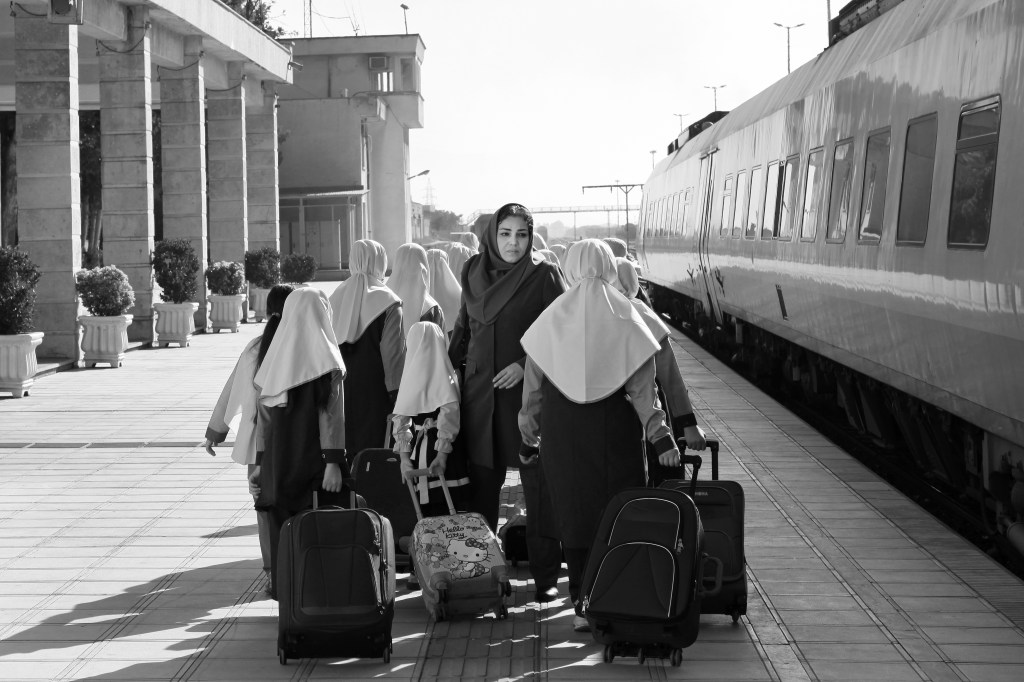
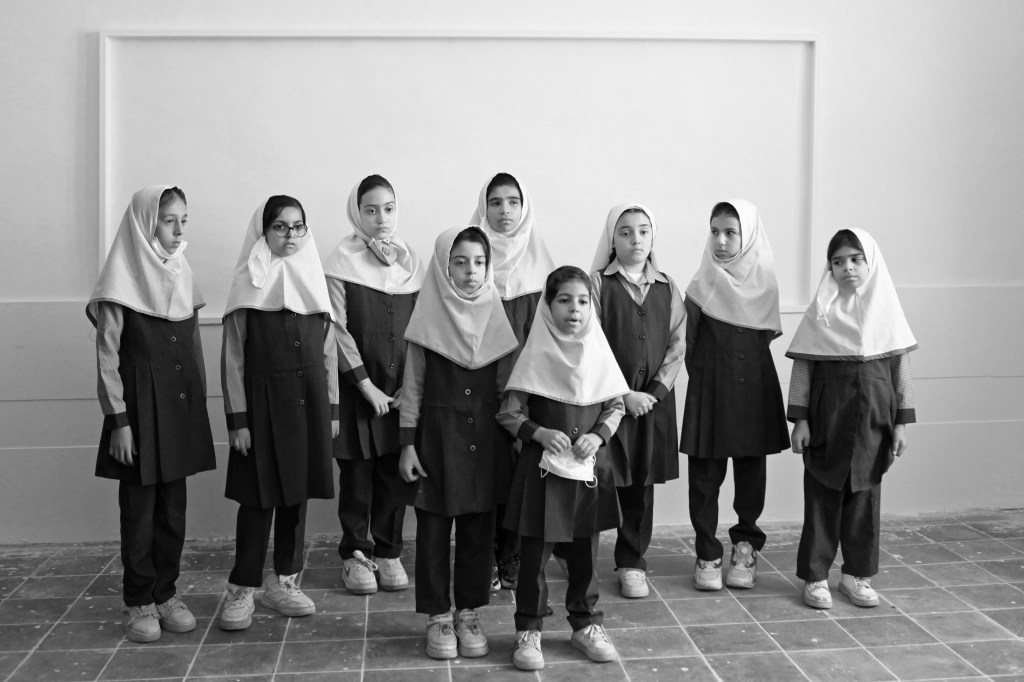
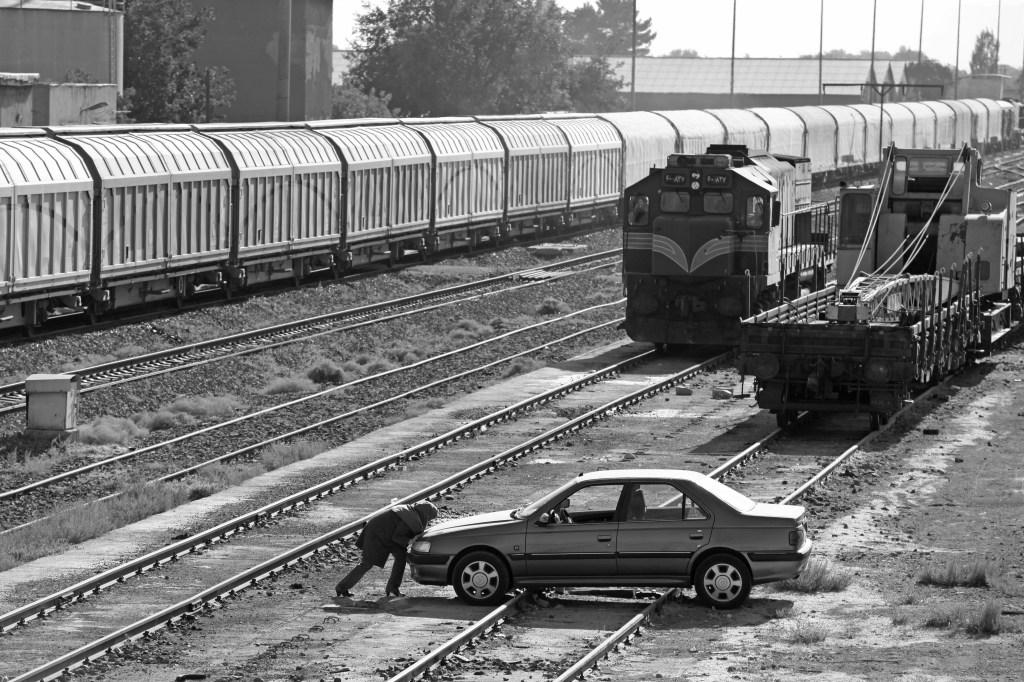
After an unsuccessful suicide attempt, a woman suffering from breast cancer returns to work at a school. On her way there, she hears advertisements for tours offering the chance to witness the end of the world. The following day, her students recount a journey by train to the Strait of Hormuz, where they claim to have witnessed the end of the Earth. Their accounts differ, and Vania, one of the students, insists that her experience was neither tragic nor violent. What the woman hears about the journey, and Vania’s account in particular, awakens in her a desire to undertake the journey herself
Ilnaz Kheirkhah about IRANIAN EXPRESS:
My approach to cinema is grounded in a philosophical understanding of the image and its capacity to transform perception. For me, cinema is not merely a means of representing reality, but a way of thinking through images, time, movement, and the body. From this perspective, cinematic form cannot be separated from the historical conditions in which it comes into being.
IRANIAN EXPRESS emerged from my personal experience of a particular period in contemporary Iranian history — days when we woke each morning with the possibility of death hanging over us.
In this film The deterioration of the woman’s breast and the possible destruction of the Earth become two simultaneous events: two bodies existing on different scales, yet both exposed to annihilation. The woman recognises the cancerous mass in her own body within the very fabric of the Earth, sensing a profound and inseparable affinity between these two forms of tissue. For me, this simultaneity is not merely a poetic metaphor, but an encounter with a material and historical reality.At the centre of the film is a woman who, confronted with the deterioration of her own body and the erosion of her theological faith, finds herself increasingly unable to face her own mortality. Yet the possibility of witnessing the end of the Earth awakens a new desire within her. The children’s accounts of the end of the world are far from identical; each imagines a different version of its ending. It is the unconventional and unreliable account of one particular child that ignites the woman’s desire to undertake this journey.
In the world of the film, even the end of the world is not exempt from the logic of the market. Tickets are sold to witness catastrophe, with higher prices promising a more spectacular ending and a more extraordinary spectacle of destruction. This contradiction gives the film’s world its grotesque and unsettling dimension: even the apocalypse becomes a commodity to be consumed.
The film’s black-and-white cinematography, compositions, mise-en-scène, and editing strategies all emerged in response to this same historical experience. I made the film during the days of missile bombardment, and was detained for several days while filming a work about the female body and death under bombardment. The circumstances of the film’s production are inseparable from the very reality out of which it emerged.
IRANIAN EXPRESS is an attempt to think through death, not merely as the end of life, but as an experience that transforms the relationship between the body, the world, and perception.