
Title: Glory of Time
Country: Rwanda, South Africa
Director: Arnaud Rwasangabo
Running time: 08′
Language: English
Genre: Fiction, Drama, LGBT, Queer, Social, HHRR, Relationships, African, Independent Cinema, Auteur Cinema
Stars: Arnaud Rwasangabo, Rashid Muhlongo, Radebe Thabiso, Lethuxolo Buthelezi
Producer: Lynette Gerber
Cinematographer: Brandon Haupt
Editor: Sharp Lee
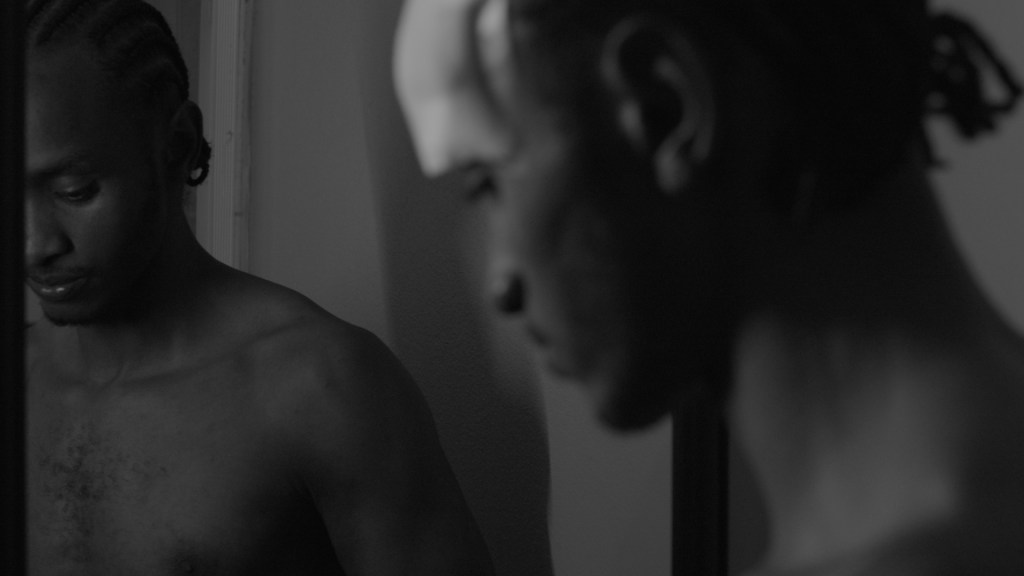
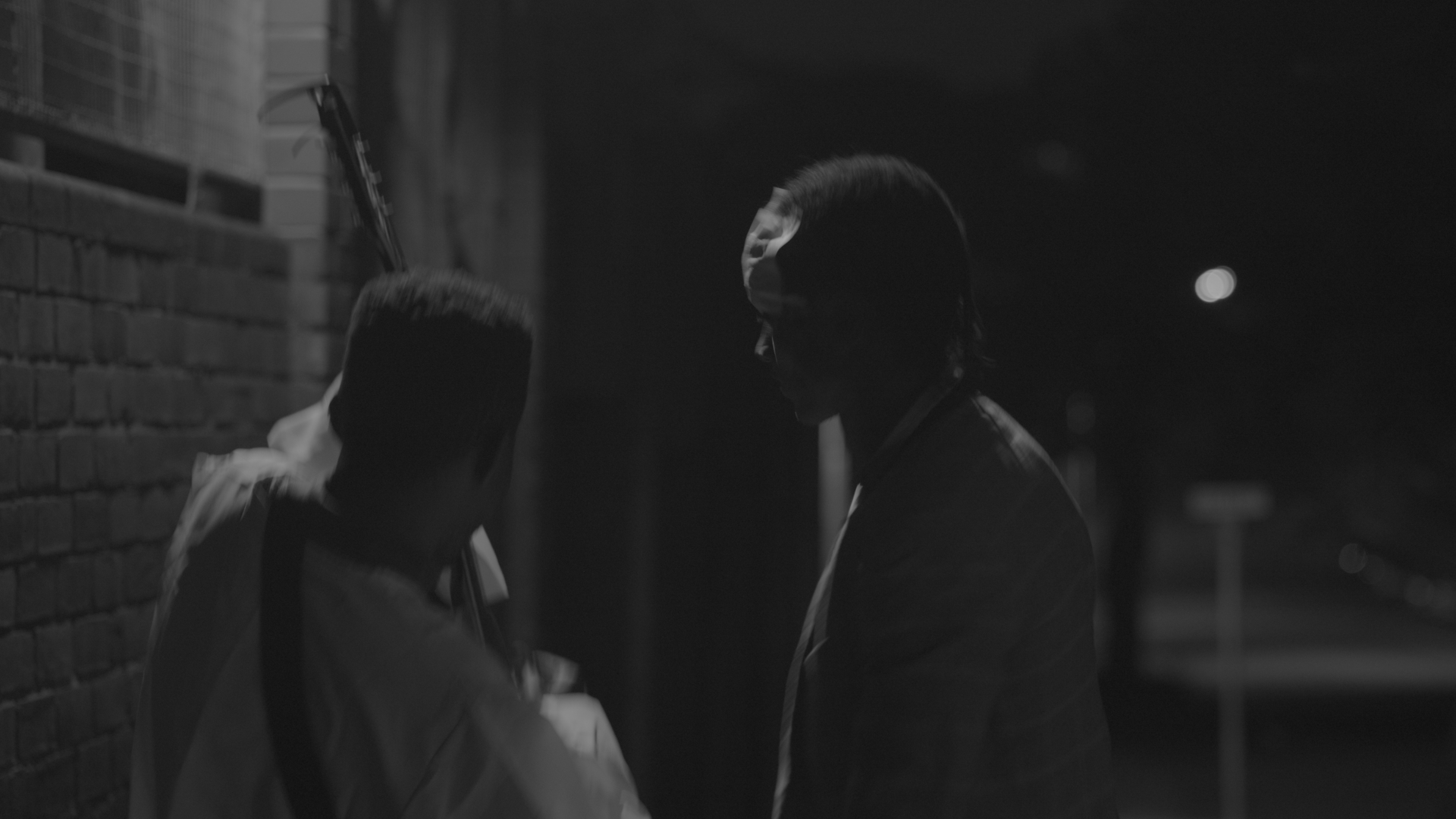
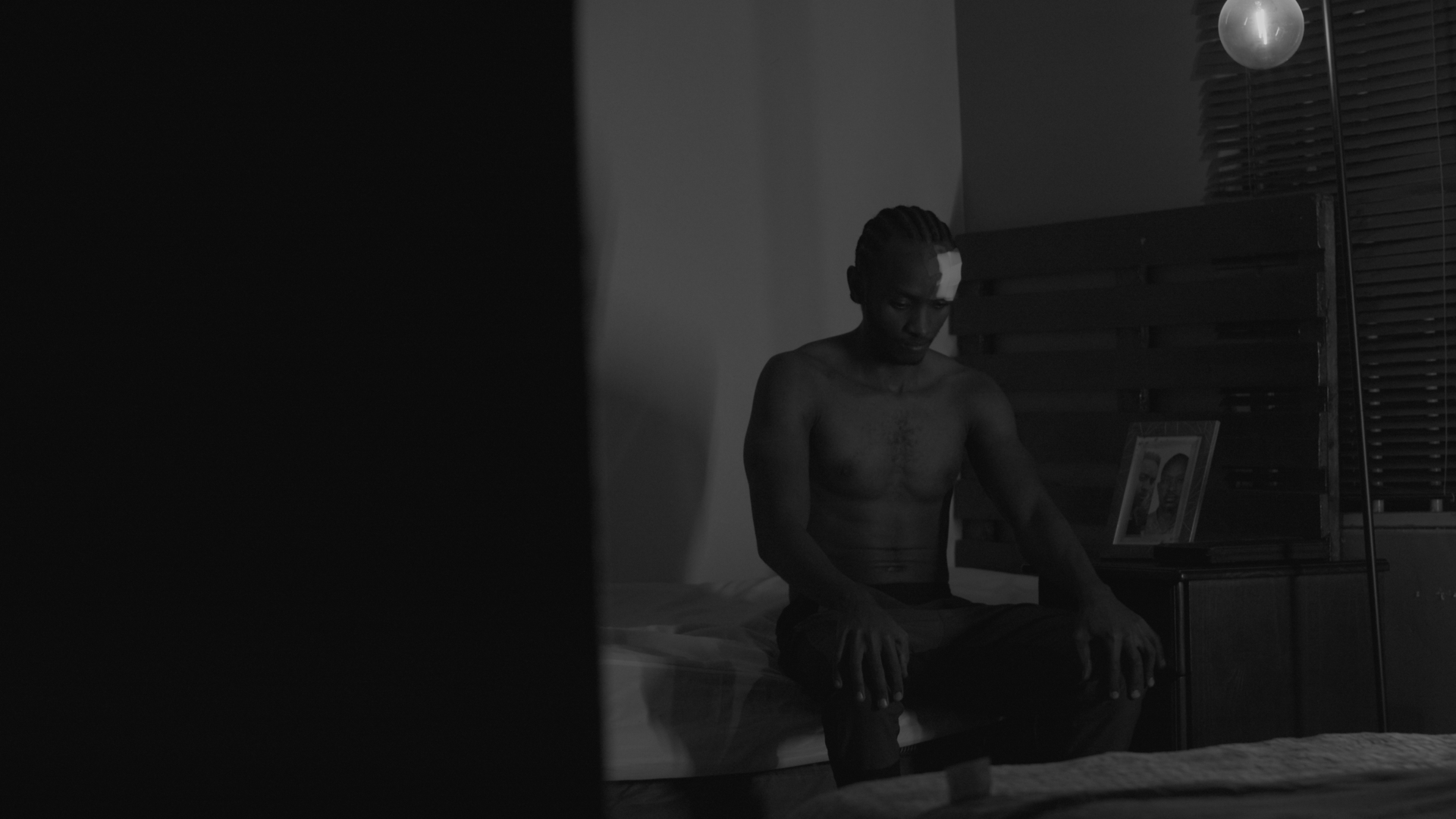
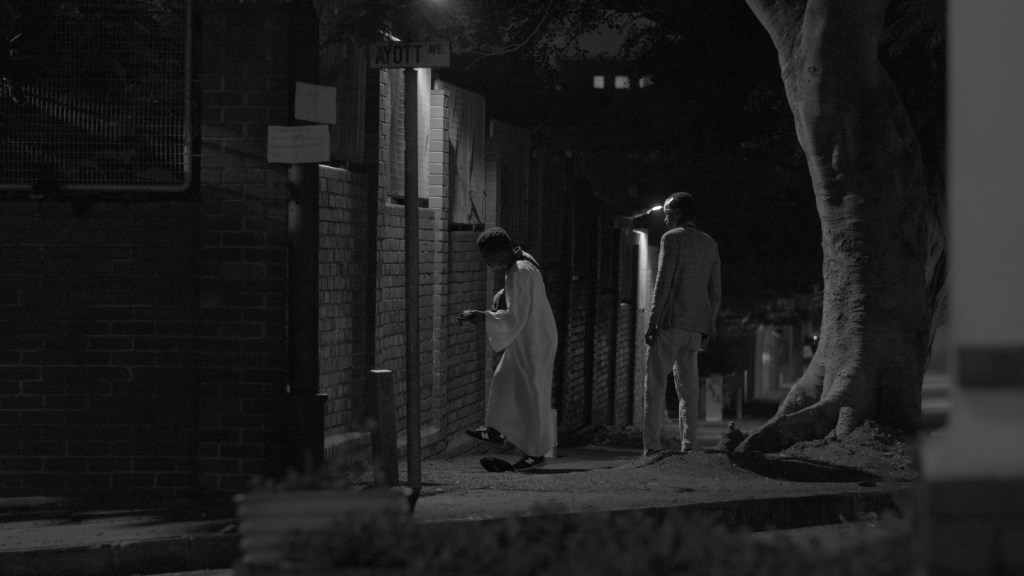
Synopsis: Leo is destined for a pulpit but secretely wrestling with sexual addiction. One encounter changes everything.
Director’s Statement:
I grew up in a deeply Christian household where faith shaped the way I understood
myself and the world. From an early age, I became aware of restraint and freedom not
only as spiritual ideas, but as forces that quietly defined worth, discipline, and
belonging. Some questions were encouraged; others remained unspoken.
When I first encountered pornography for the very first time, it opened up something
new to me. It was confusing; it felt good, it felt terrible, it felt shameful. I wanted to
never watch it again, but I wanted to watch it, and I did, drawing me into a cycle of
desire and self-reproach. For a while, I thought I was the worst sinner in the whole
world.
One time, I was speaking to an elderly woman, about 50 years old. For some reason,
she told me that when she was studying to become a pastor, she used to sleep with a
married man. She felt like the worst person in the world and didn’t know whether she
would recover from it. While looking at her, something fractured in me, something
broke inside of me. In that moment, the possibility of grace felt real, not as an idea,
but as a shared experience.
Glory of Time emerged from this realisation. The film is not interested in moral
judgment, but in the tension between restraint and freedom, belief and vulnerability.
Rather than framing these forces as opposites, I wanted to explore what happens
when silence is replaced by recognition, when isolation gives way to connection.
At the core of addiction, there is brokenness. My hope is that this film could spark
vulnerability and conversation about our struggles, ultimately leading to healing
 MAILUKI FILMS